Installations Sealed Against Wind and Salt
Windows & Doors in New Bedford for properties exposed to coastal wind and salt spray
Coastal wind drives salt spray into every gap and seam around windows and doors, corroding standard sealants and weatherstripping within months of installation. Marine-grade sealants and weatherproofing materials resist this chemical breakdown, maintaining waterproof and airtight seals despite constant salt exposure. LivSavvy Construction and Landscaping installs windows and doors in New Bedford using coastal-grade materials and techniques developed through over 25 years of work in marine environments, where installation quality determines whether units last decades or fail within years. Proper rough opening preparation and flashing integration create the foundation that sealants and weatherstripping build upon.
Window and door installation begins with inspecting and correcting the rough opening for square, plumb, and level, then installing self-adhesive flashing membranes that integrate with the building wrap to direct water away from the opening. Marine-grade polyurethane or silicone sealants bond to both the unit and the rough opening, creating flexible waterproof barriers that accommodate the thermal expansion and contraction coastal installations experience from temperature swings and direct sun exposure. This preparation prevents the air and water infiltration that causes interior damage and drives up heating costs.
Request a detailed estimate based on your opening dimensions and exposure conditions.
What Changes After Coastal-Grade Installation
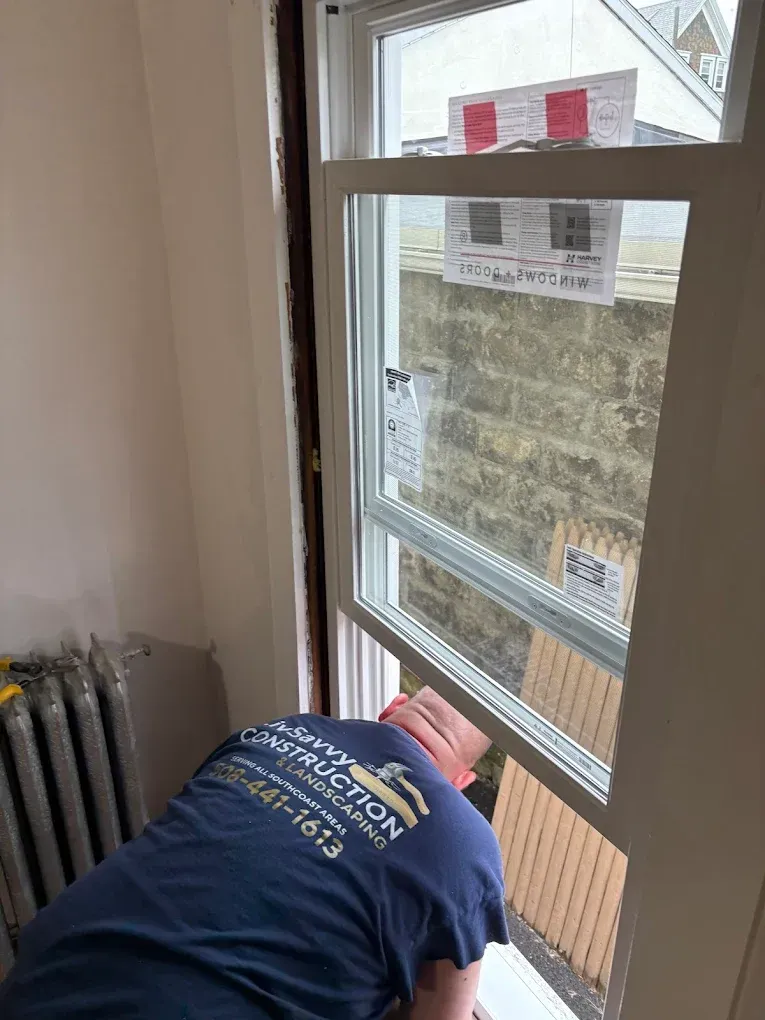
Coastal window and door installation requires verifying rough opening dimensions and condition before units are ordered, since out-of-square or oversized openings compromise how well units seal and operate. Shimming establishes proper alignment, while backer rod and sealant fill the gap between the unit and rough opening with materials that remain flexible and waterproof through years of movement. Marine-grade sealants specifically resist UV degradation and salt corrosion that standard acrylic or latex caulks cannot withstand in direct coastal exposure.
After installation, you will notice windows and doors that operate smoothly without binding, with no air infiltration around the frames during windy conditions and no water penetration during driving rain. The marine-grade sealants maintain their bond and flexibility, preventing the cracking and pulling away from surfaces that appears in standard installations after one or two seasons of coastal exposure. Interior trim installation follows after the units have been tested for proper operation and all weatherproofing is confirmed complete.
Coastal installations also address the corrosion of hardware and fasteners by using stainless steel screws and brackets rather than standard zinc-plated hardware. Salt air corrodes zinc plating quickly, leading to rust stains on siding and weakened attachment over time. Stainless steel maintains its strength and appearance despite continuous salt exposure, supporting the unit securely for the full lifespan of the window or door.
Answers to Frequent Installation Questions
Property owners in coastal New Bedford often ask about installation requirements specific to their environmental conditions before starting window and door projects.
What makes marine-grade sealants different from standard caulks?
Marine-grade polyurethane and silicone sealants contain additives that resist chemical breakdown from salt exposure and UV radiation, maintaining bond strength and flexibility while standard latex or acrylic caulks crack and separate within months in coastal conditions.
How does rough opening prep affect long-term performance?
Rough openings must be square within 1/8 inch and properly flashed to shed water, since out-of-square openings cause units to bind during operation and create uneven gaps that sealants cannot adequately fill.
Why does coastal installation take longer than standard installation?
Proper flashing integration, rough opening correction, and marine-grade sealing require additional steps and curing time compared to basic installation methods, but these steps prevent the failures that require complete reinstallation within a few years.
When should windows and doors be replaced in coastal New Bedford homes?
Visible water stains below windows, condensation between glass panes, difficulty operating sashes or doors, and deteriorated exterior sealants indicate that units are no longer protecting the building envelope effectively.
How do you verify installation quality after completion?
Operation testing confirms smooth function without binding, water testing with a hose verifies no penetration around the frame, and inspection of interior and exterior sealant beads confirms complete coverage without gaps or voids.
LivSavvy Construction and Landscaping applies specialized coastal installation techniques developed over 25 years working in New Bedford's marine environment. Schedule a property evaluation to identify specific weatherproofing requirements for your window and door installations.