Outdoor Living Without the Weather Limitations
Covered Decks in New Bedford for properties where unprotected outdoor spaces limit usability during sun exposure and rain
New Bedford properties face strong summer sun off Buzzards Bay and unpredictable coastal weather that can make unprotected deck spaces uncomfortable or unusable for much of the year. LivSavvy builds covered deck structures that extend how many days you can use your outdoor space by creating shade in July and keeping rain off furniture and grills during spring storms. You gain a functional outdoor room instead of a surface that's either too hot at midday or soaked after every passing shower.
A covered deck adds a permanent roof structure over part or all of your existing deck footprint, using either traditional roofing materials that match your home or specialized shade systems like louvered pergolas that let you control light and airflow. The coverage protects outdoor furniture from fading and allows ceiling fans or lighting to be installed where exposed fixtures would otherwise fail quickly in coastal humidity.
Schedule a property evaluation to review roof attachment points and determine which coverage approach works with your existing deck layout..
How Weather Protection Changes Deck Usability
Installing a roof structure over your deck involves anchoring posts into the existing deck frame or adjacent footings, then building a frame that either attaches to your home's exterior wall or stands independently. The roof pitch must account for water runoff and snow load, and the attachment points need flashing details that prevent water from entering your home's exterior envelope where the new structure meets existing siding.
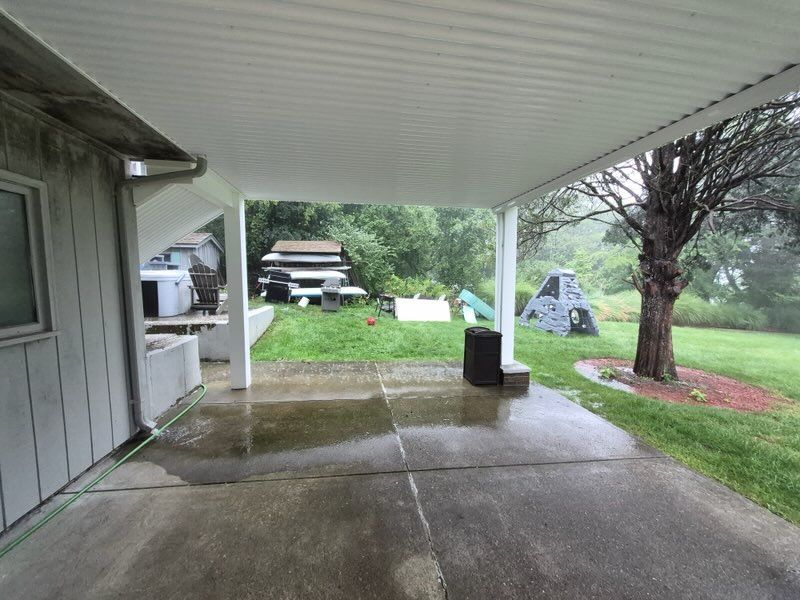
Once the roof is in place, you'll notice that the deck surface stays dry enough to walk on barefoot minutes after rain stops, and furniture cushions no longer need to be carried inside every time clouds appear. The shaded area underneath stays ten to fifteen degrees cooler on sunny afternoons, and you can add permanent lighting or fans that would corrode quickly if mounted on an open deck exposed to salt air.
Covered sections can include gutters that direct runoff away from the deck perimeter, and some designs incorporate privacy screens on one side to block afternoon sun angles or wind coming off the water. The structure doesn't eliminate all weather exposure but creates a zone where light rain and direct sun don't dictate whether the space is usable..
Questions Property Owners Ask About Adding Roof Coverage
Deck projects in New Bedford often raise questions about how coverage affects the space and what structural work is involved.
What determines whether the roof attaches to the house or stands on its own posts?
If your home's exterior wall can support the lateral load and your deck is close enough to the building, attaching the roof ledger to the house creates a cleaner look and uses fewer posts, but freestanding designs work better when the deck sits far from the building or when siding and sheathing conditions make attachment complicated.
How does a covered section affect the rest of the deck?
The covered portion stays dry and shaded, while any uncovered sections still receive full sun and rain, so many homeowners use the covered area for seating and dining while leaving an open section for grilling or sun exposure when desired.
What roofing material works best over a deck?
Asphalt shingles match most home roofs and handle New Bedford winters without issue, while metal roofing sheds snow faster and creates a distinct sound during rain that some homeowners prefer and others want to avoid.
When should structural posts be added even if the roof attaches to the house?
Any span longer than twelve feet typically needs intermediate support posts to prevent sagging, and coastal wind loads in New Bedford often require additional posts even on shorter spans to meet code requirements for uplift resistance.
How much clearance is needed between the deck surface and the roof?
Most covered decks maintain at least eight feet of headroom to avoid a closed-in feeling and allow ceiling fans to circulate air effectively, though this depends on your home's wall height and how much roof pitch is needed for drainage.
LivSavvy designs covered deck structures that account for New Bedford's coastal wind exposure and winter snow loads while creating outdoor spaces that function comfortably across more of the calendar. Request an on-site consultation to review your property's layout and discuss coverage options that fit your existing deck and home style.