Building Envelopes That Handle Weather and Use
Commercial Windows & Doors in New Bedford for businesses requiring protection from wind pressure and moisture intrusion
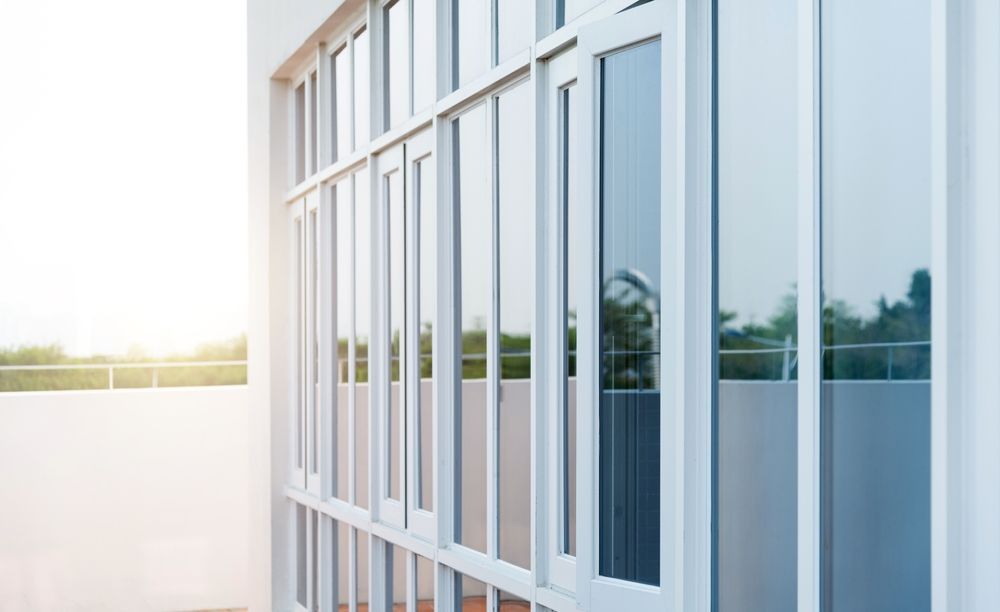
Commercial buildings near New Bedford's waterfront face sustained wind pressure that tests window and door assemblies differently than residential installations experience. LivSavvy installs commercial-grade windows and doors designed for the structural loads, security requirements, and operational demands that business properties require. These installations address storefronts where glass must remain secure during storms, office buildings where energy loss affects operating costs, and warehouses where oversized door openings must seal against weather while handling frequent use.
Commercial installations use reinforced framing systems, multi-point locking mechanisms, and impact-resistant glazing that residential products don't provide. Aluminum and steel framing withstands the racking forces that wind and building movement create, while commercial weatherstripping systems maintain their seal despite the compression cycles that high-traffic doors endure.
Arrange an on-site consultation to assess your building's exposure and discuss performance requirements for your specific use.
How Commercial Installation Addresses Building Performance
Installation begins with evaluation of structural openings, existing anchoring systems, and wind load calculations based on building height and exposure. Commercial units require through-wall anchoring that distributes forces into the building structure rather than relying on perimeter fastening alone, which matters when sustained wind pressure tries to push assemblies inward or pull them outward.
After installation, your building maintains consistent interior temperature near windows and doors rather than creating cold zones where heat escapes. Entry doors close securely without gaps at the threshold where drafts and water enter, and glass remains intact when struck by wind-borne debris. Storefront systems provide unobstructed views while meeting safety glazing requirements, and hardware operates reliably despite constant daily use that would quickly wear residential components.
Energy-efficient glazing packages reduce solar heat gain in summer while retaining warmth in winter, which directly affects HVAC operating costs. Commercial installations also accommodate access control systems, automatic operators, and panic hardware required by building codes, with through-wall wiring pathways and reinforced frames that support electronic components.
Common Questions About This Service
Business owners typically want to understand performance standards, installation timelines, and how commercial products differ from residential options.
What defines a commercial-grade window or door?
Commercial products use heavier gauge materials, reinforced corners and joints, continuous weatherstripping rather than compression seals, and hardware rated for cycles of operation far exceeding residential use, which translates to longevity under constant daily stress.
How does wind exposure in New Bedford affect commercial installations?
Buildings near the harbor or with significant height face wind pressure that requires engineering calculations and anchoring systems beyond standard installation methods, particularly for large glass areas that act as sails during storms.
What energy performance should commercial installations provide?
Modern commercial glazing includes low-emissivity coatings and insulated glass units that reduce heat transfer by sixty to seventy percent compared to single-pane systems, which creates measurable reductions in heating and cooling demand throughout the year.
When should commercial windows and doors be replaced rather than repaired?
Replacement becomes necessary when frames show structural deterioration from corrosion, when glass seals have failed and condensation appears between panes, or when outdated single-glazing makes climate control prohibitively expensive.
What building code requirements apply to commercial installations?
Requirements vary by occupancy type but typically include safety glazing in specific locations, fire ratings for certain openings, accessibility standards for entry doors, and wind load resistance based on building height and exposure classification.
LivSavvy installs durable commercial window and door systems engineered for New Bedford's coastal conditions and the operational demands your building faces. Contact us to review your building envelope and discuss performance upgrades that reduce long-term operating costs.