When Repairs Stop Making Sense Financially
Deck Replacement in New Bedford for structures where rot, structural damage, or outdated materials make partial fixes uneconomical
A deck showing extensive floor board rot, wobbly railings, or frame members with visible decay has reached the point where repair costs approach or exceed replacement costs, and patchwork fixes leave you with a structure that's still fundamentally compromised. LivSavvy removes the old deck completely and builds a new structure using current materials and code standards, which means you get composite or PVC decking that won't need replacement in ten years, properly sized framing that handles New Bedford snow loads, and railings built to current height and spacing requirements. The finished deck looks and functions like new construction because it is, rather than a repaired version of a failing structure.
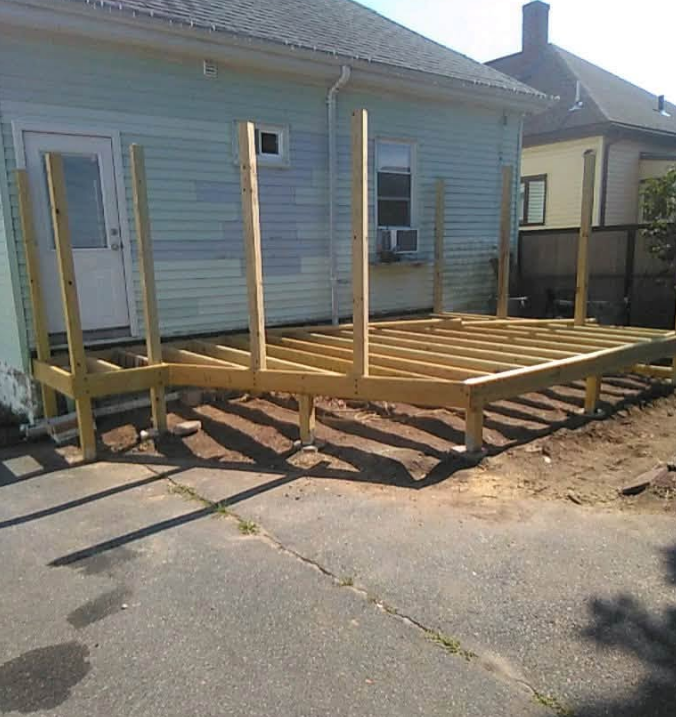
Replacement projects start with demolition of the existing deck down to the foundation level, then proceed with new footings if the originals are undersized or deteriorated. The new frame uses pressure-treated lumber sized according to span tables, and the decking material upgrade typically moves from wood to composite or PVC to eliminate the rot cycle that led to the original failure.
Schedule a property evaluation to identify specific structural concerns and determine whether repair or full replacement makes more sense for your situation..
The Difference Between Repairing and Rebuilding
Deck replacement involves pulling permits, removing all existing materials including railings and stairs, and inspecting the ledger board attachment to your home's rim joist for rot or improper flashing. New construction follows current codes for footing depth below frost line, joist spacing based on decking material, and railing specifications that have changed significantly over the past fifteen years, so a replacement deck built today will have structural details that weren't required when many older New Bedford decks were originally constructed.
Once complete, you'll have a deck surface that doesn't flex or bounce when walked on, railings that feel solid rather than shaky, and stairs with consistent tread depth and secure handrails. The new materials won't show the splintering, gray weathering, or soft spots that develop in aging wood, and composite options maintain their color and texture without annual staining or sealing.
Replacement projects also offer the opportunity to change the deck footprint, add features like built-in seating or planters, upgrade to wider stairs, or incorporate lighting that wasn't part of the original design. Some homeowners reduce the overall deck size to lower maintenance while others expand into previously unused yard space now that low-maintenance materials make larger decks practical.
What Homeowners Want to Know Before Replacing a Deck
Deciding whether to repair or replace an existing deck raises practical questions about cost, timing, and what the project involves.
How do you know when a deck needs replacement rather than repair?
If more than thirty percent of the floor boards show rot or damage, if joists are sagging or have soft spots, or if the ledger board connection to the house shows signs of water damage or movement, replacement typically makes more sense than trying to salvage the existing structure.
What happens to the old deck materials?
Demolition includes removing all existing boards, framing, and railings, with wood debris hauled away and concrete footings either reused if they're in good condition and properly positioned or broken out and replaced if they've shifted or cracked.
Can the new deck be a different size or layout than the old one?
Replacement projects allow complete redesign, so you can change the shape, add or remove stairs, extend the footprint, or reconfigure levels as long as the new design meets setback and zoning requirements in New Bedford.
Why choose composite over wood for a replacement deck?
Composite materials eliminate the maintenance cycle of staining and sealing, resist moisture damage that leads to rot and splintering, and maintain consistent appearance for decades rather than graying and weathering within the first few seasons.
How long does a full deck replacement take?
Most residential deck replacements take one to two weeks depending on size and complexity, with demolition and framing completed in the first few days and decking and railing installation following once the structure is secure and inspected.
LivSavvy handles deck replacement projects in New Bedford from demolition through final inspection, using materials and construction methods that address the structural and durability issues that led to the original deck's failure. Request a detailed estimate to compare replacement costs against ongoing repair needs for your current deck.