Showers Built to Handle Daily Use Without Leaks
Walk-In Shower Installation in New Bedford for properties with outdated tub enclosures or water-damaged bathroom walls
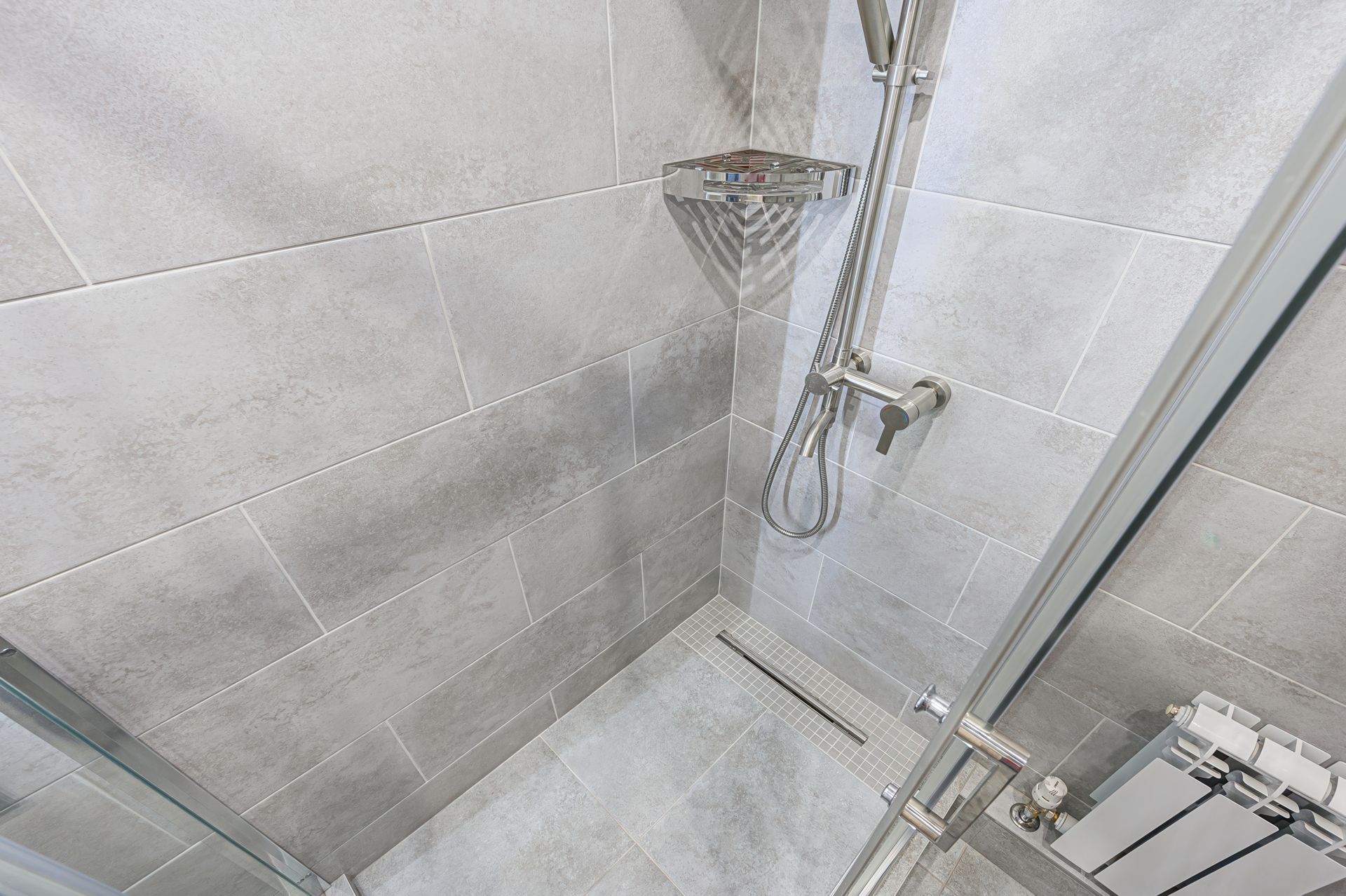
LivSavvy replaces worn bathtubs and fiberglass surrounds with walk-in showers that feature custom tile work, waterproofed substrates, and built-in benches or niches. Homes in New Bedford often deal with humidity and temperature swings that test bathroom waterproofing, making proper membrane installation and grout sealing critical to preventing mold growth behind walls. You'll see a finished shower that drains properly, resists moisture penetration, and maintains its appearance through years of use.
The installation process removes existing fixtures, rebuilds walls with cement board or foam substrates, applies liquid or sheet waterproofing membranes across seams and corners, and sets tile in a layout that directs water toward the drain. Glass doors and thresholds get sealed with silicone that remains flexible as framing shifts slightly through seasonal changes. Each layer addresses a specific failure point that causes leaks in older showers.
Request a detailed estimate based on your current bathroom layout and waterproofing concerns.
What Proper Waterproofing Actually Prevents
Custom tiled showers require waterproofing membranes applied to every surface that contacts water, including walls behind the tile, the shower pan, and transitions where the floor meets the walls. Membranes extend at least six inches beyond the shower area to catch water that migrates through grout over time. Niches and benches receive extra attention because their horizontal surfaces collect standing water that finds weak spots in seals.
After installation, you'll notice water stays contained within the shower area, tiles remain firmly bonded without hollow spots, and grout lines stay clean without dark staining that indicates moisture trapped underneath. Glass doors close completely without gaps at the bottom or sides. The shower pan slopes consistently toward the drain so water doesn't pool in corners.
Durable materials include porcelain or ceramic tile rated for wet areas, epoxy grout that resists staining and cracking, and tempered glass doors with corrosion-resistant hardware. The choice between standard cement board and newer foam substrates depends on whether the floor can support additional weight and how much insulation the exterior wall needs..
What Homeowners Ask About Shower Installation
Replacing a bathtub with a walk-in shower changes how your bathroom functions and how long the waterproofing lasts when installed correctly.
What materials work best for shower pans in New Bedford bathrooms?
Pre-sloped foam pans with bonded waterproofing membranes handle temperature changes better than traditional mud beds, which can crack if the substrate moves. Both options work when installed correctly, but foam pans reduce installation time and eliminate the curing period required for mortar.
How does tile size affect waterproofing reliability?
Larger tiles mean fewer grout lines where water can penetrate, but they require flatter substrates to prevent lippage at the edges. Smaller mosaic tiles on shower floors provide better traction and conform to the pan slope more easily, though they introduce more grout joints that need sealing.
Why do some showers develop mold along the bottom edge?
Water that seeps behind tile through damaged grout or missing caulk collects at the base of the wall, where it contacts organic material in drywall or wood framing. Proper waterproofing membranes stop water before it reaches those materials, and regular caulk replacement at tile-to-pan transitions prevents the initial intrusion.
When should grab bars and benches be added during construction?
Blocking gets installed inside the wall before tile work begins, because retrofitting grab bars into finished tile often cracks the surrounding area. Benches require waterproofing on all five sides and structural support underneath to carry weight without flexing.
What does glass door hardware need to withstand in humid environments?
Hinges, handles, and mounting brackets made from solid brass or stainless steel resist corrosion from constant moisture exposure, while cheaper plated hardware develops rust spots within two years. The door itself should be frameless or use minimal metal framing to reduce areas where water collects and drips onto the floor.
LivSavvy handles walk-in shower projects from demolition through final sealing, addressing waterproofing at every stage. Schedule a property evaluation to review your current shower condition and layout options that fit your bathroom space.