Tubs That Hold Up in High-Humidity Spaces
Bathtub Replacement & Installation in New Bedford for bathrooms with cracked surrounds or outdated tub fixtures
Cracked acrylic surrounds and chipped cast iron tubs allow water to reach wall cavities, where it damages framing and creates conditions for mold. LivSavvy removes failing tubs and installs soaking tubs or alcove models with properly sealed surrounds that prevent moisture intrusion. Coastal humidity in New Bedford accelerates deterioration in older bathroom materials, making timely replacement important before water damage spreads beyond the tub area. You see a watertight installation that functions without leaks and maintains its finish through daily use.
The replacement process involves disconnecting drain assemblies, lifting out the old tub, inspecting subfloor and wall framing for water damage, and setting the new tub on a level mortar bed that supports its full weight. Tub surrounds get attached to studs or backer board with adhesive and mechanical fasteners, then sealed at every seam with caulk that remains flexible as materials expand and contract.
Arrange an on-site consultation to assess subfloor condition and tub options suited to your bathroom dimensions.
How Material Selection Affects Bathroom Durability
Acrylic and fiberglass tubs weigh less and cost less than cast iron or composite materials, but they flex under weight, which can break the caulk seal at the tub-to-wall joint. Cast iron tubs hold heat longer and resist scratching, though they require reinforced flooring to carry their weight when filled. Composite materials like cultured marble or stone resin offer durability without excessive weight, but their cost sits between acrylic and cast iron options.
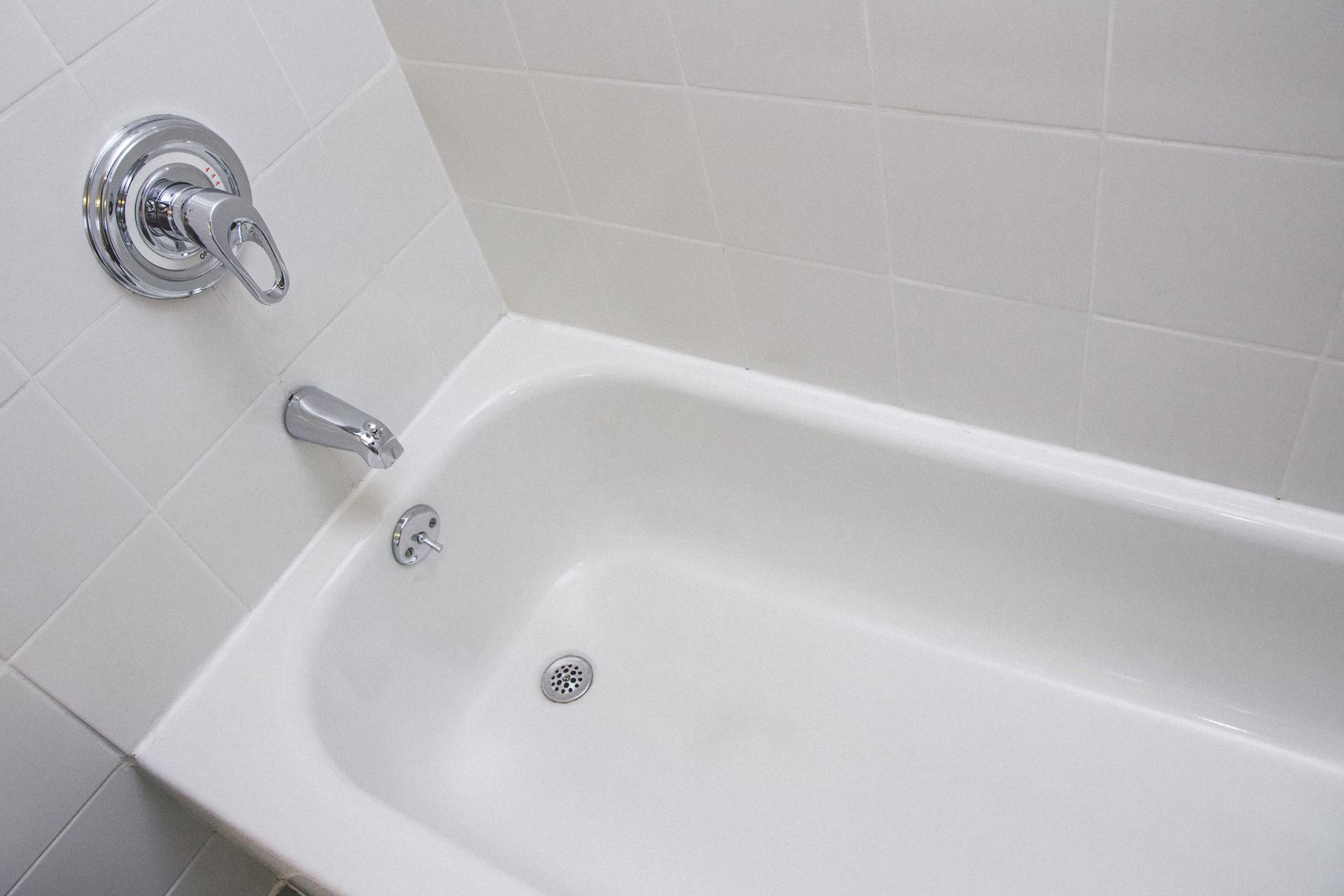
Once installed, the tub sits firmly without rocking, water drains completely without pooling at one end, and the surrounding walls show no gaps or separation at corners and edges. Faucets and spouts operate smoothly without leaking at connection points. The finish resists staining from soap residue and hard water deposits common in coastal areas.
Tub surrounds come as multi-piece units that snap together, or as tile installed over cement board with waterproofing membranes. Multi-piece surrounds install faster and eliminate grout maintenance, while tile offers more design flexibility and handles impacts without cracking across large sections. Both approaches work when installed with proper backer materials and sealed correctly..
Questions Before Starting Your Tub Project
Replacing a bathtub involves decisions about materials, weight limits, and how the new tub integrates with existing plumbing and wall surfaces.
What determines whether my floor can support a heavier tub?
Joist spacing, joist size, and subfloor thickness all affect load capacity. Most floors built to code handle acrylic tubs filled with water and a person, but cast iron models may require additional blocking between joists or a thicker subfloor to distribute weight.
How do soaking tubs differ from standard alcove tubs?
Soaking tubs feature deeper basins and sometimes wider dimensions, allowing full immersion. They drain more slowly than shallow tubs and require larger water heaters to fill completely with hot water, so plumbing capacity becomes a consideration.
Why do tub surrounds crack at the corners?
Movement between wall panels that aren't fastened properly, or gaps left during installation that allow panels to flex independently, cause stress cracks at seams. Adhesive alone doesn't hold surrounds securely—mechanical fasteners into solid backing prevent movement.
When should I replace the tub drain assembly?
If the existing drain shows corrosion, leaks at the connection to the P-trap, or uses outdated materials like galvanized steel, replacement during tub installation prevents future access problems. New drains seal better and use materials that resist corrosion in humid bathroom environments common throughout New Bedford.
What finish holds up best against cleaning products?
Acrylic resists most household cleaners but scratches from abrasive pads, while porcelain enamel on cast iron resists scratching but can chip if struck hard. Composite materials typically resist both scratching and staining without requiring special cleaning products.
LivSavvy completes bathtub replacements with attention to structural support, waterproofing, and material selection that matches your bathroom conditions. Request an estimate to review tub options and installation requirements for your specific layout.