
Doors That Divide or Connect Spaces on Purpose
French door installation in New Bedford for interior and exterior openings where light flow, alignment, and hardware integrity are the deciding factors
Two panels of glass-lite door hung in the same frame sounds straightforward until the installation is underway. French doors require a level threshold, a plumb and square rough opening, and hardware that holds alignment across both panels under repeated use—and when any of those conditions is off, the doors bind, gap, or swing open on their own. LivSavvy installs French doors for interior and exterior applications in New Bedford, working through the alignment and hardware sequence that determines whether the doors function the way they look. The result is a pair of panels that operate without fighting each other and seal correctly when closed.
The installation process accounts for the fact that French doors are heavier per panel than standard single-swing doors, which puts more load on the hinge mortises and the rough opening framing. For exterior installations, the threshold and door sweep have to form a complete seal against water infiltration—a detail that is often handled poorly when installers treat French doors as two independent units rather than a coordinated system. The glass options, frame material, and finish are selected based on where the doors are placed: interior French doors between a living room and a study have different requirements than exterior units facing a patio or garden.
Schedule a site visit with LivSavvy to review the opening dimensions and discuss door style, glass, and hardware options before ordering begins.
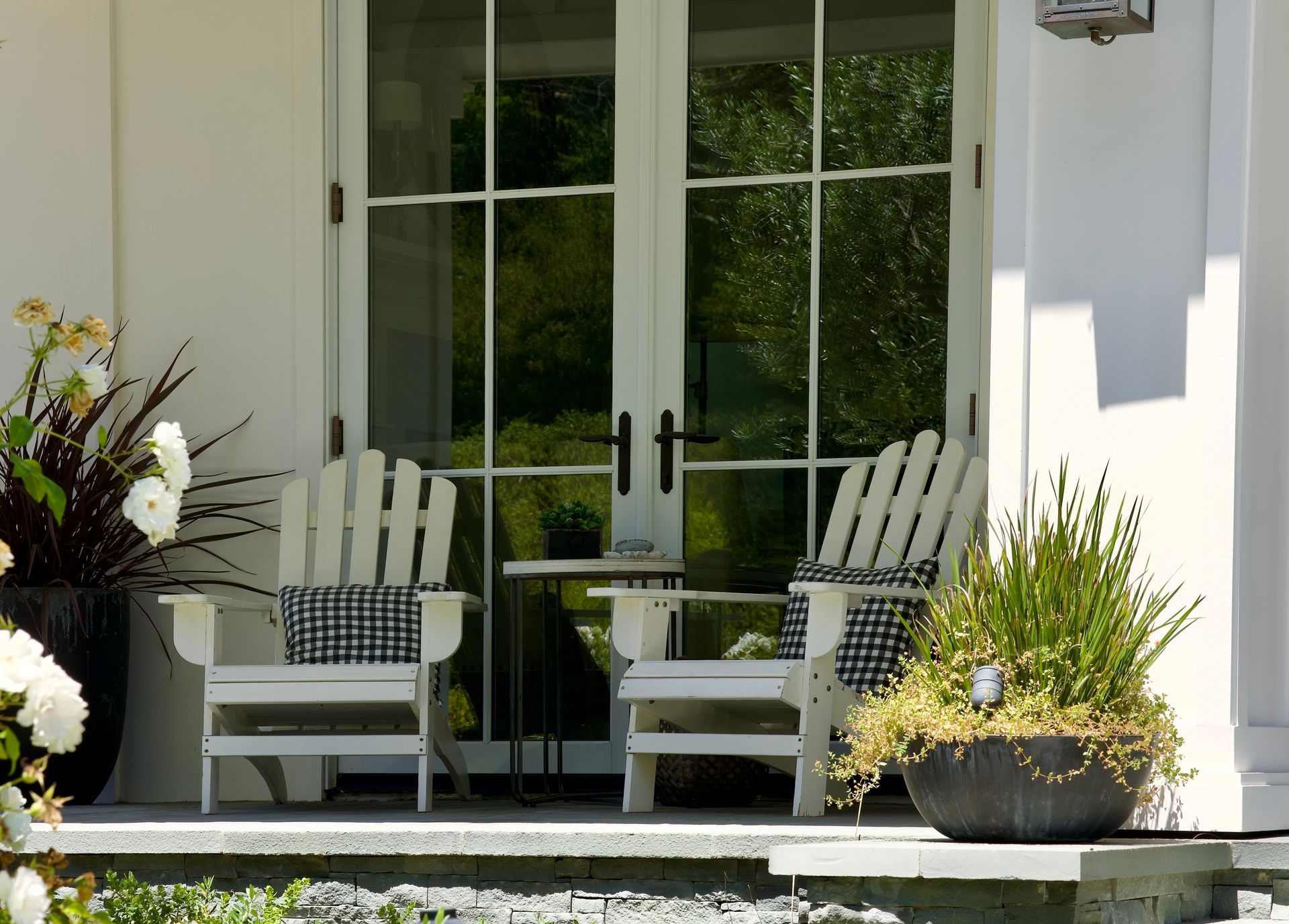
The Difference Between Aligned Doors and Doors That Just Close
French door alignment is a function of the rough opening, the hinge placement, and the astragal—the vertical strip that covers the gap between the two active panels. LivSavvy sets both panels from a common reference point, checking plumb and level on each jamb before fastening, then verifying that the reveal between the panels is consistent from top to bottom before the hardware is installed. On older homes where the floor has settled or the opening has shifted from its original framing, shimming and blocking in the rough opening are part of the work, not an exception to it.
After installation, the change in how a space reads is immediate: natural light moves differently through glass-panel doors than through solid panels, and the visual connection between rooms—or between an interior and an exterior space—shifts the perceived depth of the area. The hardware itself should feel solid and return to the same position each time: a properly set multi-point lock or surface bolt holds both panels without drift, and the threshold seal closes completely when the doors are latched. These are the details that separate a door that looks correct from one that functions correctly over years of daily use.
Material selection for French doors covers wood, fiberglass, steel, and vinyl frames, each with different weight, expansion behavior, and finish requirements. Glass options range from clear to obscure, tempered, or decorative patterned lites depending on privacy and design preferences. For exterior installations, the glass unit should be a minimum of double-paned to limit conductive heat loss through the large glass area that French doors inherently present.
Answers About How French Door Installation Works
French door installation involves alignment and hardware decisions that differ from single-door installations. The answers below address the practical questions that come up during planning and after the work is complete.
How is the rough opening prepared before French doors are installed?
The rough opening is checked for plumb, level, and square before the frame is set—a diagonal measurement from corner to corner confirms whether the opening is true. If the framing has shifted, shims and blocking bring it back into tolerance before the door unit is placed, because a door set in an out-of-square opening will never hang or seal correctly regardless of how carefully the hardware is adjusted afterward.
What determines which panel is active and which is stationary in a French door pair?
In most installations, one panel is designated the primary swing and fitted with the primary lockset, while the other is held in place by a flush bolt or surface bolt at the top and bottom. The decision is typically based on traffic flow, the direction of approach from outside, and which side places the latch in a more convenient position for daily use.
Why does hinge placement matter more on French doors than on standard single doors?
Each panel in a French door pair is typically wider and heavier than a standard interior door, which concentrates more force at each hinge mortise. If hinges are spaced incorrectly or the mortise depth is shallow, the panel sags over time, which causes the edge to drag across the threshold and eventually makes the latch misalign with the strike plate.
How does exterior French door installation differ from interior installation in New Bedford homes?
Exterior installations require a full threshold assembly with a door sweep on each panel, an astragal with a compression seal where the panels meet, and flashing integrated into the wall assembly above the door header. Many homes in New Bedford's older residential neighborhoods have masonry or wood-frame walls with varying rough opening depths, which affects the frame extension and trim detail needed to finish the installation cleanly on both sides of the wall.
What should you check in a finished French door installation before considering the work complete?
Both panels should swing freely through their full range of motion without dragging on the threshold or binding at the top corner. When latched, the reveal between the two panels should be consistent from top to bottom, the astragal should compress evenly against the inactive panel, and the lockset should engage the strike without lifting or forcing the active panel.
LivSavvy also installs French doors in Dartmouth, Fairhaven, and Fall River. To plan your French door installation, connect with LivSavvy to review the opening and confirm the right door configuration for your space.