Upgrades That Actually Reduce Energy Loss
Energy-Efficient Upgrades in New Bedford for homes with high heating costs and noticeable drafts near windows
Homes lose significant heat through windows and doors during New Bedford winters when temperature differentials create thermal transfer that single-pane glass and poorly sealed frames cannot prevent. Upgrading to energy-efficient windows and doors addresses the specific mechanisms through which heat escapes: conduction through glass, air infiltration around frames, and radiative loss that standard glazing allows. You'll notice reduced drafts, more consistent room temperatures away from exterior walls, and lower fuel consumption when heating systems don't run constantly to compensate for envelope losses.
Energy-efficient upgrades involve replacing existing units with double or triple-pane insulated glass assemblies, installing frames with thermal breaks that interrupt heat flow, and applying weatherstripping systems that seal against air infiltration. Low-emissivity coatings on glass surfaces reflect interior heat back into rooms rather than allowing it to radiate outward, which matters most during heating season when maintaining indoor warmth drives energy costs.
Request a detailed estimate based on your current window and door conditions and heating fuel costs..
What Changes After Efficiency Improvements Are Installed
Energy-efficient installations use insulated glass units with inert gas fills between panes and spacer systems that prevent thermal bridging at glass edges. Vinyl or fiberglass frames provide lower conductivity than aluminum or wood, and fusion-welded corners eliminate air pathways that older window construction methods leave open.
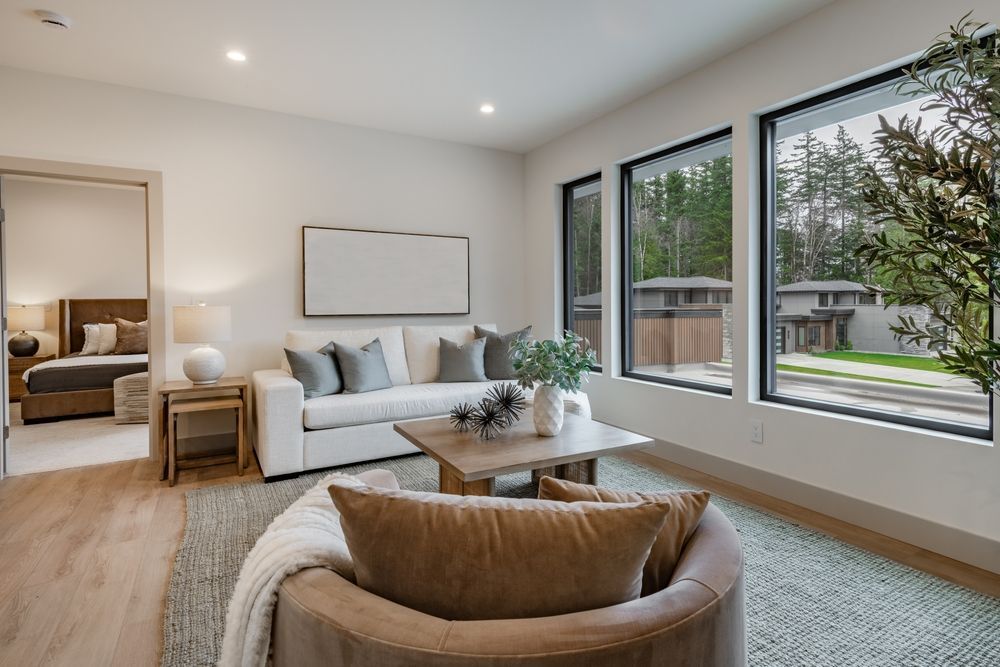
Once completed, you'll feel reduced air movement near windows even during windy conditions, and interior glass surfaces remain closer to room temperature rather than forming cold zones that create drafts through convection. Condensation on interior glass surfaces decreases or stops entirely because insulated units maintain warmer interior surface temperatures above the dew point. Rooms maintain temperature more evenly from floor to ceiling, and heating systems cycle less frequently because the building envelope retains conditioned air more effectively.
These upgrades also reduce exterior noise transmission, which benefits properties near Route 6 or commercial districts where traffic noise penetrates single-pane windows. The combination of sealed frames, multiple glass layers, and insulated cavities dampens sound transmission by creating multiple barriers rather than a single pane that vibrates with sound waves.
Answers to Frequent Service Questions
Homeowners considering energy upgrades want to understand performance improvements, cost factors, and what different efficiency ratings actually mean for comfort and utility bills.
How much energy loss do windows and doors actually cause?
Windows and doors typically account for twenty-five to thirty percent of heating and cooling energy loss in homes with standard single-pane glass or poorly sealed older units, which translates directly to fuel consumption during New Bedford's cold months when heating demand peaks.
What makes one energy-efficient window more effective than another?
Performance depends on glass coatings that reflect heat, gas fills between panes that reduce conduction, spacer materials that prevent edge heat loss, and frame materials with low thermal conductivity, with each component contributing to the overall insulating value measured as U-factor.
When do energy-efficient upgrades typically pay for themselves?
Payback periods vary with fuel costs and existing window condition but generally range from eight to fifteen years through direct energy savings, though comfort improvements and draft elimination provide immediate benefits beyond financial return.
Why do some windows develop condensation between panes after several years?
Condensation between panes indicates seal failure where moisture has entered the insulated cavity, which happens when perimeter seals degrade from thermal cycling or UV exposure, though quality units with properly installed seals typically maintain integrity for decades.
What seasonal factors affect installation timing in New Bedford?
Installation can occur year-round, though winter installations require temporary sealing between unit removal and new installation to prevent interior heat loss during the work window, while moderate spring and fall temperatures simplify the transition without extreme temperature control concerns.
LivSavvy provides energy-efficient window and door upgrades designed to reduce heating costs and eliminate drafts in New Bedford homes. Schedule a property evaluation to identify where your current windows and doors lose the most energy and discuss upgrade options that match your budget and performance goals.