Exterior Structures Built for Daily Use
Outdoor Additions in New Bedford for properties where backyards lack functional covered spaces
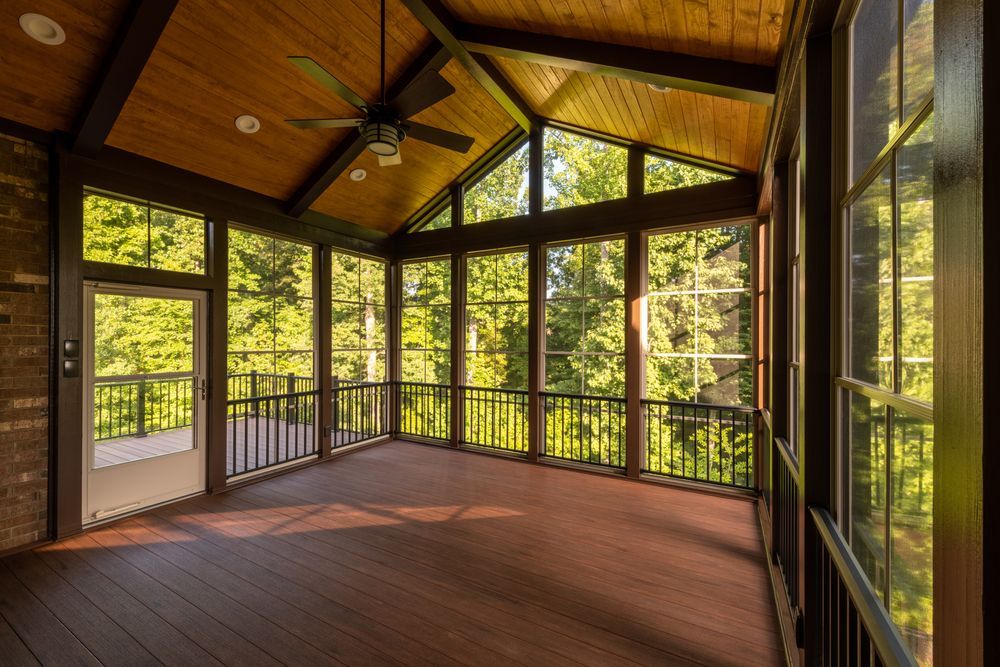
Backyards without covered structures leave you exposed to weather when you want to use outdoor spaces during summer afternoons or evenings when insects are active. LivSavvy builds outdoor additions including gazebos, pergolas, and screened-in porches in New Bedford to extend usable living space beyond interior walls with structures designed for the local coastal climate. These additions create defined outdoor rooms where you can sit during rain showers, host gatherings without sun exposure, or enjoy evening air without dealing with mosquitoes that appear near standing water common in coastal yards.
Each structure type serves different purposes—gazebos provide freestanding covered areas with full roof protection, pergolas offer partial shade with open-beam overhead structures that support climbing plants or fabric coverings, and screened porches enclose existing deck or patio areas with insect barriers while maintaining airflow. Construction involves setting posts into concrete footings that resist frost heaving during New Bedford winters, framing overhead structures to handle snow loads, and finishing surfaces to withstand salt air exposure near the coast.
Schedule a site evaluation to determine which outdoor addition works best for your yard layout and intended use..
What Outdoor Addition Construction Involves
Outdoor addition projects start with site preparation and footing placement below the frost line, typically 48 inches deep in Massachusetts, to prevent posts from shifting when the ground freezes and thaws through winter. Screened-in porches require framing for screen panels and often include roof extensions from the existing house structure, tying the new addition into established rooflines and ensuring water drains away from the connection point. Pergolas use larger dimensional lumber for beams and rafters since the open design means each member is fully visible, while gazebos incorporate traditional roof framing with rafters that converge at a center hub or ridge.
After construction, you gain outdoor space that functions in conditions where uncovered yards don't—screened porches let you sit outside during summer evenings without insect bites, pergolas provide vertical structure for shade plantings or retractable canopies, and gazebos offer shelter during sudden rain showers without running back to the house. The structures define outdoor areas as intentional rooms rather than open lawn, and properly built additions handle New Bedford's coastal weather including high winds during nor'easters and salt spray that degrades untreated wood.
Projects include foundation work, structural framing, roofing where applicable, and finish details such as railings, stairs, or built-in seating depending on the structure type. Pressure-treated lumber resists ground contact decay for posts and framing, while cedar or composite materials provide finish surfaces that don't require frequent painting in the salt air environment found throughout New Bedford and Dartmouth coastal properties..
Questions Before Starting Your Project
Homeowners considering outdoor additions typically ask about structure selection, site requirements, and how these additions perform in New Bedford's coastal weather conditions.
What is the difference between a gazebo, pergola, and screened porch?
Casing profiles range from simple flat stock for contemporary interiors to complex molded shapes for traditional homes, and the choice depends on matching existing trim in adjacent rooms or establishing a consistent style throughout the house.
How deep do footings need to be for outdoor structures in New Bedford?
Footings must extend below the frost line at 48 inches deep to prevent posts from heaving when ground freezes and thaws, which is critical in coastal Massachusetts where freeze-thaw cycles occur multiple times each winter.
When does a screened porch make more sense than a pergola?
Screened porches work best when insect control is the primary goal and you want fully enclosed outdoor space, while pergolas suit situations where you want partial shade, vertical growing structures, or open-air coverage without walls or screens.
What materials hold up best in coastal New Bedford conditions?
Pressure-treated lumber for structural framing resists decay from ground contact, while cedar, composite decking, and marine-grade fasteners handle salt air exposure without corroding or degrading as quickly as untreated wood or standard hardware.
How do outdoor additions attach to existing houses?
Screened porches and attached pergolas connect to the house with ledger boards bolted through exterior sheathing into the rim joist, with flashing installed to prevent water from entering the connection point where the new roof meets existing siding.
LivSavvy builds gazebos, pergolas, and screened-in porches throughout New Bedford with attention to foundation depth, material selection for coastal durability, and structural connections that handle wind loads common in exposed coastal yards. Request a property assessment to discuss which outdoor addition fits your site conditions and how you use exterior spaces throughout the year.