Roofs That Handle Decades of Weather
Roofing installation in Home remodeling for structures requiring new shingle, metal, shed, or garage roof systems
Roofing installation replaces worn or failing roof systems with new materials engineered to shed water, resist wind uplift, and withstand temperature cycling. Different roof types serve different purposes: architectural shingles provide cost-effective weather protection for primary structures, metal roofing offers longevity and fire resistance, and outbuilding roofs require matching or complementary materials that handle exposure without the same insulation requirements. What matters is matching material properties to the structure's exposure, pitch, and expected service life.
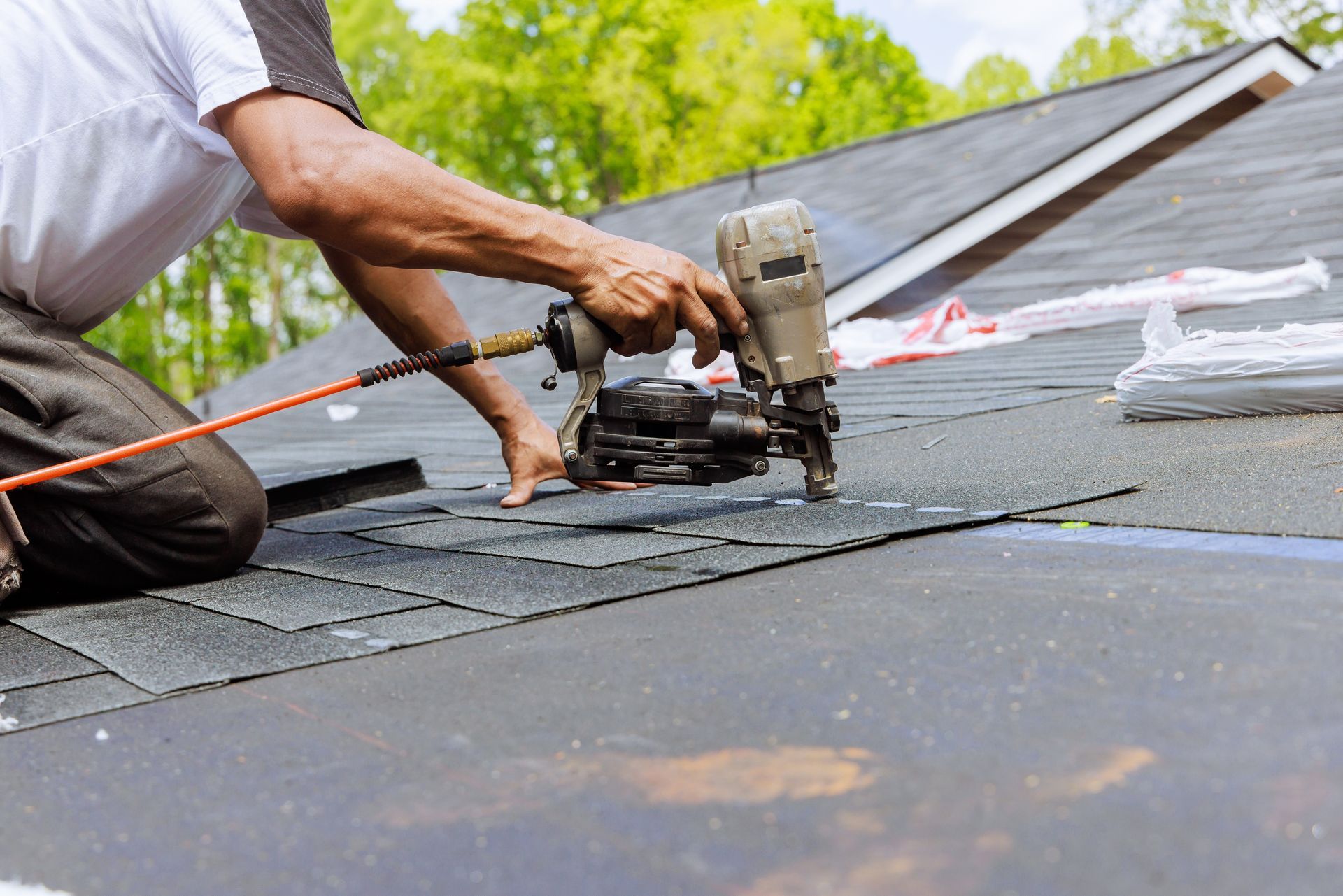
LivSavvy installs custom roofing systems in Home remodeling, beginning with decking inspection to identify areas where sheathing needs replacement before new materials go down. Underlayment creates a secondary water barrier, and flashing details at valleys, chimneys, and roof-to-wall transitions prevent leaks where planes intersect. Fastener spacing and edge securing follow manufacturer specifications tied to wind ratings, because improper attachment causes premature failure regardless of material quality.
Schedule a roof inspection to evaluate current decking condition and discuss which material options suit your structure's pitch and exposure.
Why Proper Installation Determines Roof Performance
The installation process starts by stripping existing materials down to the roof deck, which reveals any sheathing rot or framing damage that developed under the old system. New underlayment goes down in overlapping courses that direct any water infiltration toward eaves, and starter strips at roof edges provide a sealed first course that prevents wind-driven rain from working underneath shingles. Metal roofing requires purlins or solid decking depending on panel profile, and fasteners must hit structural members rather than just sheathing to resist wind loads.
Once installation finishes, you see a roof surface with uniform coursing, properly sealed penetrations, and flashing that tucks under siding or counter-flashes against masonry. Water sheds without pooling in valleys, and wind no longer lifts edges or corners during storms. The roof maintains its weatherproofing without requiring seasonal maintenance beyond keeping debris out of gutters, and sheds or garages match the main structure's material and color when visual consistency matters.
Quality installation includes ice-and-water shield at eaves and valleys in regions with freeze-thaw cycles, adequate ventilation to prevent heat buildup that shortens material life, and ridge venting or gable vents sized to the attic volume. Metal roofs use exposed or concealed fasteners depending on panel style, and each method requires different lap details and sealant applications.
Answers Homeowners Need Before Starting
Property owners planning roof replacement typically want clarity on material differences, installation requirements, and how specific choices affect long-term durability.
What determines whether shingles or metal roofing makes more sense?
Shingles cost less upfront and suit complex roof geometries with multiple valleys and dormers, while metal roofing lasts longer, resists fire, and handles low-slope applications where shingles would trap water.
How does roof pitch affect material selection?
Steeper pitches shed water faster and work with most materials, while low-slope roofs below a 3:12 pitch require metal panels or modified bitumen systems that seal against water sitting on the surface.
What happens during underlayment installation?
Synthetic underlayment rolls out across the entire roof deck in horizontal courses that overlap by several inches, creating a continuous water barrier beneath the finish material that prevents leaks if wind-driven rain gets under shingles.
Why does flashing quality matter more than shingle choice?
Most roof leaks occur at valleys, chimneys, and sidewall intersections where different planes meet, so properly lapped and sealed flashing prevents water intrusion even when shingles eventually wear out.
When should garage and shed roofs be replaced?
Outbuilding roofs need replacement when they leak, when decking sags visibly, or when materials have reached the end of their rated service life even if leaks haven't appeared yet, because unnoticed water damage worsens quickly.
LivSavvy handles complete roofing installations with attention to deck preparation, fastener schedules, and flashing details that determine long-term performance. Arrange an evaluation to assess your current roof condition and review material options that match your structure's requirements.