Floors Meet Walls Without Gaps
Baseboard Installation in New Bedford for rooms where flooring transitions expose unfinished wall edges
When flooring meets drywall and leaves a visible gap or when you've installed new floors that reveal the bottom wall edge, you need baseboard installation to create a finished transition. LivSavvy handles baseboard installation in New Bedford for homes where old trim has been removed during renovations, where new construction lacks finish carpentry, or where existing baseboards no longer match updated interiors. The installation covers the expansion gap required by most flooring materials and protects wall surfaces from impact damage near the floor.
Installation involves locating wall studs for nailing points, scribing baseboard to follow floor contours when subfloors are uneven, and cutting returns at doorways and openings where the baseboard profile terminates. New Bedford homes with original hardwood floors often have settled unevenly, requiring the baseboard to follow the floor plane rather than remaining perfectly level.
Arrange an evaluation to assess wall conditions and determine the baseboard height appropriate for your flooring type.
How Baseboard Addresses Floor-to-Wall Transitions
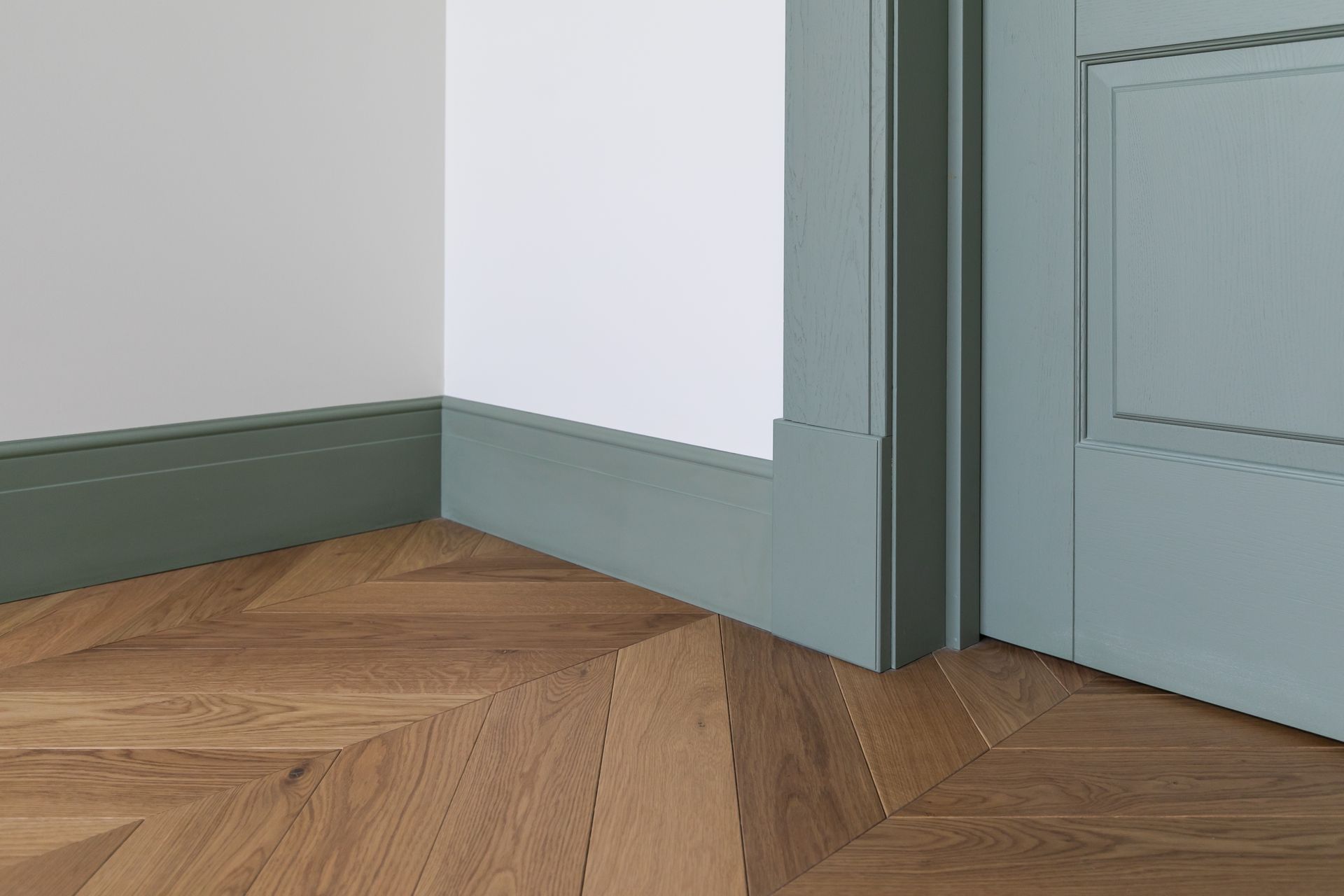
Baseboard installation begins with measuring walls for continuous runs and identifying locations where flooring installers left expansion gaps between the floor material and the wall surface. The baseboard covers this gap while remaining high enough off the floor to allow natural movement in wood or laminate flooring, which expands with New Bedford's seasonal humidity swings between dry winter air and humid summer conditions. Installers fasten baseboards into wall studs, not just drywall, so the trim stays secure when furniture or vacuum cleaners bump against it.
You notice the room looks complete once baseboard is in place because the transition from floor to wall is continuous with no visible drywall edge or separation line. LivSavvy installs baseboards with coped inside corners that stay tight even as the wood moves slightly, and returns the profile at doorways so the baseboard doesn't simply end with exposed grain. Floors appear intentional rather than unfinished, and wall paint lines are crisp where the baseboard establishes the bottom boundary.
The work includes caulking the top seam where baseboard meets drywall and filling nail holes before priming and painting, unless you've chosen prefinished material or plan to stain natural wood baseboards. Thicker baseboards resist dents from impacts better than thin profiles, and the height you choose affects how furniture sits against walls in smaller rooms.
Answers to Frequent Baseboard Questions
Homeowners typically ask about baseboard height selection, finish options, and how the installation coordinates with flooring that's already in place.
What baseboard height works best for different rooms?
Standard baseboards range from three to five inches tall, with taller profiles used in rooms with higher ceilings or formal spaces, while shorter baseboards work in areas with lower ceilings or modern design schemes that emphasize minimal trim details.
How does baseboard installation work around existing flooring?
Baseboards install after flooring is complete and cover the required expansion gap without resting directly on the floor surface, leaving a small clearance that allows floors to move naturally with humidity changes common in coastal New Bedford.
When should baseboards be painted or stained?
Paint-grade baseboards are primed, installed, caulked, and then finish-painted after installation, while stain-grade wood baseboards are typically finished before installation to avoid getting floor stain on wall surfaces.
What happens at inside corners where two baseboards meet?
Inside corners use coped joints where one baseboard piece is cut to match the profile of the adjacent piece, creating connections that stay closed as wood expands and contracts rather than opening visible gaps.
How is baseboard different from quarter round or shoe molding?
Baseboard is the primary trim piece that runs along the wall, while quarter round or shoe molding is a smaller secondary piece installed at the floor line to cover additional gaps, though properly installed baseboard often eliminates the need for these smaller trim pieces.
LivSavvy completes baseboard installation throughout New Bedford and Dartmouth with close attention to floor plane variations and corner joinery that remains tight through seasonal changes. Set up a consultation to review baseboard profiles and finishes that coordinate with your current flooring and wall treatments.