Surfaces Built to Outlast Structural Components
Tile Flooring in New Bedford for areas requiring permanent waterproofing and impact resistance
Bathrooms, kitchens, and entryways where water exposure happens daily need flooring that won't degrade when saturated, which is why properly installed tile remains the standard for wet areas decades after installation. Each piece of ceramic or porcelain material is laid individually across a prepared substrate with thin-set mortar, then grouted to create a monolithic surface that handles standing water, dropped cookware, and tracked-in debris without the swelling, staining, or scratching that affects wood-based products. LivSavvy installs tile flooring across New Bedford properties where longevity and moisture resistance outweigh the comfort and warmth of resilient materials.
The installation process requires waterproof membrane application over the subfloor before tile goes down, ensuring that water penetrating grout lines doesn't reach wood framing below. Tile layout affects how cuts fall at room edges and whether patterns read as intentional or haphazard, which skilled installers plan before mixing mortar.
Request an on-site assessment to determine substrate condition and discuss tile size relative to room dimensions.
What You Notice Once Tile Work Is Finished
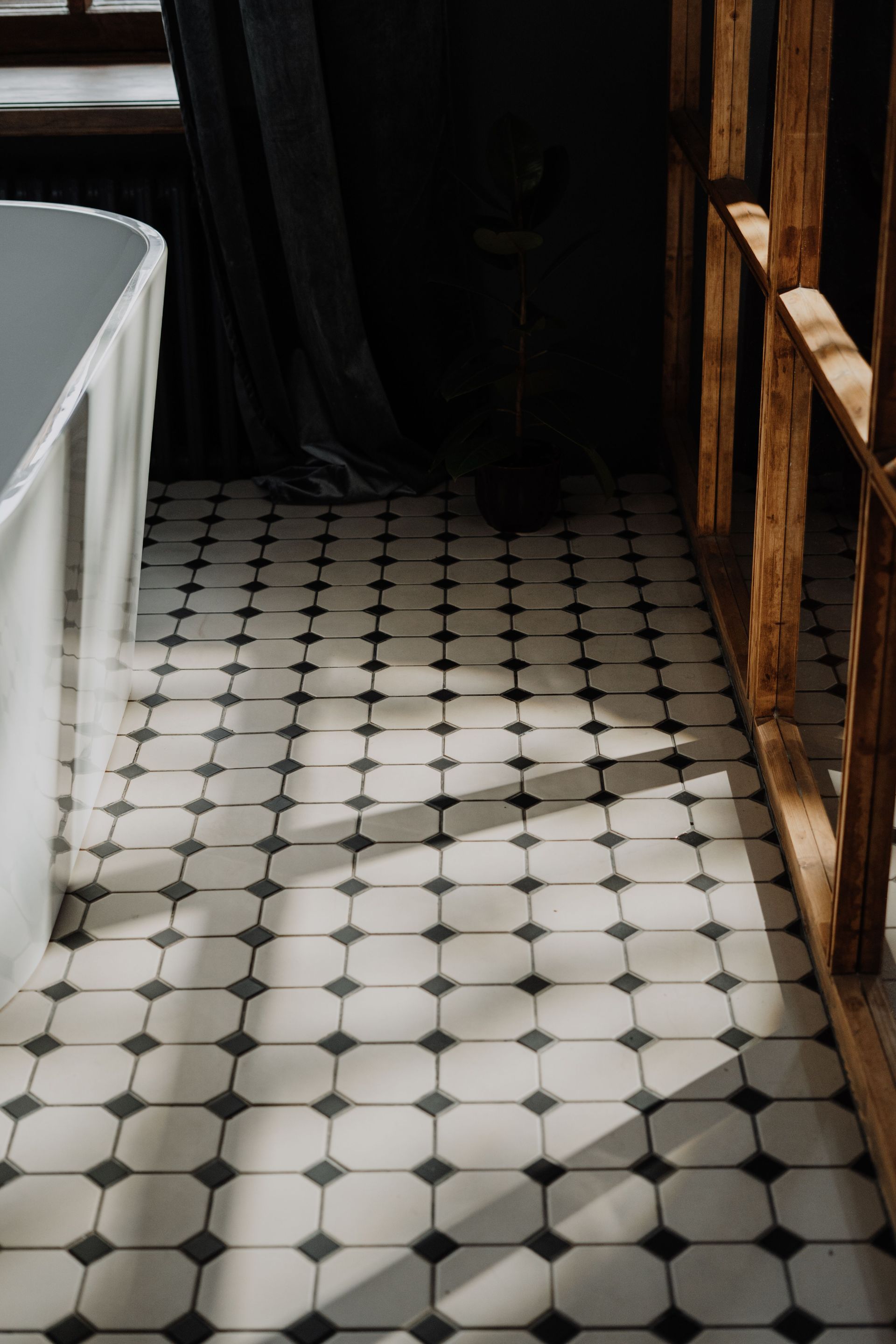
Installation begins with substrate evaluation to confirm flatness within industry tolerances, since tile telegraphs even minor variations and can crack if laid over humps or dips. The crew applies thin-set with a notched trowel sized to match tile thickness, then sets each piece with spacers maintaining consistent grout lines. After mortar cures, grout fills the joints and gets sealed to reduce staining, though grout remains porous compared to the tile surface itself.
After installation, you see floors that feel cold and hard underfoot compared to wood or vinyl but provide a truly waterproof surface once grout cures and sealant dries. Dropped glassware breaks more readily on tile than resilient flooring, though the tile itself rarely cracks from impacts that would dent or gouge softer materials. Cleaning involves wiping both tile and grout, with the grout lines showing dirt accumulation more visibly than the glazed tile surface and requiring periodic scrubbing to maintain appearance.
LivSavvy handles tile work in bathrooms, kitchens, and entryways as well as tile backsplashes that extend waterproofing up walls behind sinks and cooktops. The distinction between tile and other flooring types comes down to permanent installation and waterproof performance versus the replaceability and comfort of floating or fastened products that don't handle saturation as well.
Common Questions About This Service
Homeowners in New Bedford frequently ask about tile performance and maintenance requirements before committing to installation.
What makes porcelain tile more durable than ceramic tile?
Porcelain is fired at higher temperatures and has lower water absorption, making it denser and less prone to chipping or cracking under impact, though both materials outlast wood and vinyl in wet locations.
Why does grout stain more easily than the tile surface?
Grout is porous cement-based material that absorbs liquids unless sealed, while tile has a glazed or polished surface that repels most staining, which is why grout lines darken over time even with regular cleaning.
Can tile be installed over existing vinyl or wood floors in New Bedford homes?
Tile requires a rigid, stable substrate to prevent cracking, so installations over flexing wood subfloors need cement backer board reinforcement, while existing flooring usually gets removed to ensure proper bonding and eliminate height issues.
How long before tile floors can handle foot traffic after installation?
Thin-set mortar typically cures enough for light traffic within twenty-four hours, though full cure takes several days and grout needs forty-eight to seventy-two hours before exposure to water to prevent weakening.
What tile size works best for smaller bathrooms or entryways?
Larger tiles mean fewer grout lines and faster installation, but they require flatter substrates and create more waste from edge cuts, while smaller tiles handle irregular layouts better and provide more slip resistance through increased grout line texture.
LivSavvy completes tile installations with waterproofing membranes and proper substrate preparation to prevent long-term failure. Contact us to review tile options and schedule substrate evaluation for your specific application.