Coastal Entryways Built for Daily Exposure
Storm Doors in New Bedford for properties facing salt air, wind-driven rain, and year-round weather stress
LivSavvy installs and replaces storm doors in New Bedford to create a protective barrier between your primary entry door and the coastal environment outside. Properties near the harbor and shoreline face consistent exposure to salt spray that corrodes hardware, wind that tests seals, and moisture that penetrates gaps in unprotected entryways. A properly installed storm door blocks these elements before they reach your main door, extending its lifespan and reducing the amount of weather that makes it into your home.
Storm door installation involves securing a pre-hung frame to the existing door jamb, sealing all edges with marine-grade caulk, and adjusting the closer mechanism to handle wind resistance without slamming. The door acts as a buffer zone that reduces drafts, allows ventilation when you want airflow without full exposure, and provides an additional locking point for security.
Schedule a property evaluation to determine the best storm door configuration for your entryway's exposure and usage patterns..
What a Storm Door Actually Protects
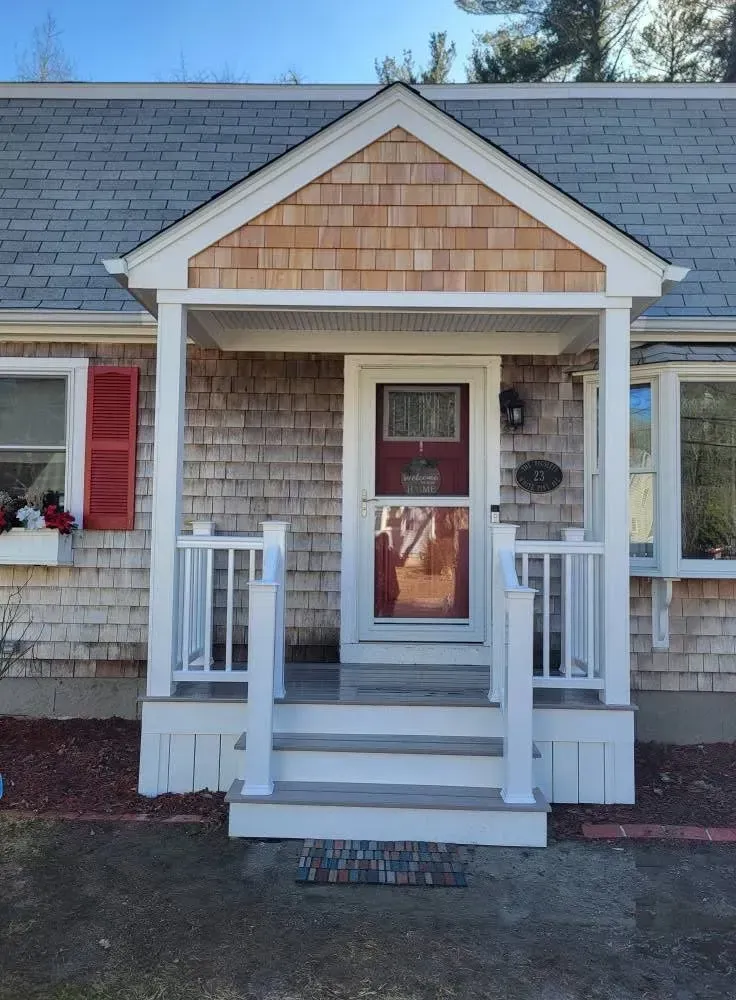
Storm doors absorb the impact of wind gusts, deflect rain before it hits your wood or fiberglass entry door, and prevent salt accumulation on your primary door's finish and hardware. The installation includes a full-view or partial-view glass panel that you can replace with a screen insert during warmer months, allowing cross-ventilation without leaving your main door open to insects or security concerns.
Once the storm door is installed, you'll notice that your entry door stays cleaner, its finish lasts longer without chalking or peeling, and the threshold area collects less moisture. The air gap between the two doors reduces heat loss in winter and keeps direct sun off your entry door in summer, which prevents warping and fading over time.
Storm doors in coastal areas require corrosion-resistant hardware and a closer that compensates for wind load. Models with retractable screens offer flexibility, and tempered safety glass handles impact better than standard panels if debris strikes during a storm..
Questions About Storm Door Installation
New Bedford homeowners often ask about storm door options before choosing a model for their specific exposure level and daily use.
What type of storm door works best in coastal conditions?
Full-view models with tempered glass and stainless steel or brass hardware resist salt corrosion better than aluminum or zinc-plated components, and self-storing designs let you switch between glass and screen without removing panels.
How does a storm door improve energy efficiency?
The air space between the storm door and your main door acts as insulation, reducing heat transfer and preventing drafts that pull conditioned air out of your home, which lowers heating and cooling costs throughout the year.
When should I replace an existing storm door?
Replace the door when the frame shows rust stains, the glass develops cracks or seal failure, the closer no longer holds the door open or closed properly, or the weatherstripping compresses and no longer blocks wind.
What happens during installation?
The installer measures the rough opening, shims the frame level and plumb, fastens it securely to the jamb with corrosion-resistant screws, applies sealant around all edges, and adjusts the pneumatic closer to prevent slamming while maintaining a secure close.
How long does a properly installed storm door last in New Bedford?
With corrosion-resistant materials and proper maintenance, a storm door typically lasts fifteen to twenty years in coastal environments, though hardware may need replacement or lubrication more frequently due to salt exposure.
LivSavvy installs storm doors using coastal-grade sealants and hardware designed for New Bedford's marine environment. Request a consultation to review door styles, glass options, and hardware finishes suited to your property's specific weather exposure.