Walls Built to Handle Coastal Weather
Siding Installation, Repair & Replacement in New Bedford for homes exposed to salt air, wind-driven rain, and temperature swings
Coastal exposure changes how siding performs, particularly when salt spray accelerates deterioration and moisture works its way behind failing panels. LivSavvy offers siding installation, repair, and replacement throughout New Bedford to address visible damage, water intrusion, and material breakdown caused by the region's marine climate. Replacing compromised siding restores the weatherproof barrier that keeps wind, rain, and cold air from reaching wall cavities and structural framing.
The work includes removing damaged or deteriorated panels, inspecting the underlying sheathing for water damage, and installing new siding materials selected for durability and weather resistance. When soffit and fascia show signs of rot, sagging, or pest damage, those components are addressed as part of the replacement process to protect roof overhangs and maintain proper attic ventilation. Material choice affects both appearance and long-term performance, particularly in areas where salt air, wind, and moisture cycle through extreme seasonal ranges.
Request an inspection to evaluate siding condition and identify areas where water has compromised the exterior envelope..
What Proper Siding Replacement Includes
Siding replacement begins with removing existing material down to the sheathing layer, checking for rot or structural damage that requires repair before new panels are installed. Moisture barriers are replaced where needed, and corner posts, trim boards, and flashing are installed to redirect water away from seams and transitions. Each panel is fastened to allow for thermal expansion without buckling, and seams are staggered to prevent water from tracking vertically down the wall.
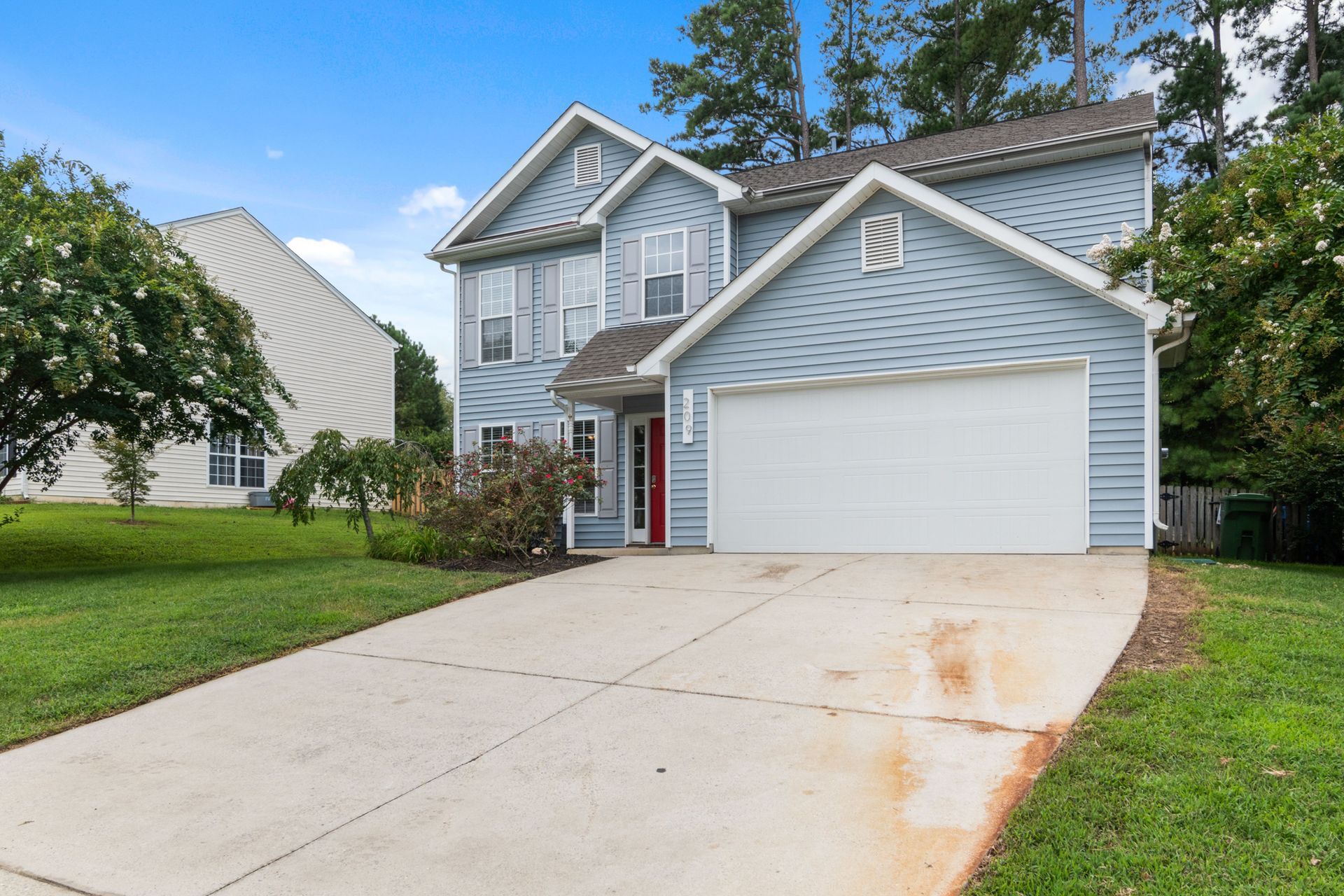
Once installation is complete, you'll see uniform color and texture across all wall surfaces, with no warping, gaps, or loose panels that allow air infiltration. Fascia and soffit replacements eliminate sagging sections and visible decay along the roofline, restoring clean lines and proper ventilation into the attic space. Water no longer penetrates behind the siding during storms, and interior walls remain dry through seasonal freeze-thaw cycles.
The scope of work depends on whether you're addressing isolated damage from a specific failure point or replacing material across multiple elevations. Partial repairs involve matching existing siding style and color, while full replacement allows for material upgrades and modern moisture management details that weren't standard when older siding was originally installed.
Questions Homeowners Ask Before Replacing Siding
Homeowners in New Bedford typically want to understand material performance, expected longevity, and how repairs differ from full replacement before committing to a siding project.
What causes siding to fail in coastal areas?
Salt air accelerates corrosion on metal fasteners and creates surface pitting on some materials, while wind-driven rain forces water behind panels through small gaps that develop as material ages and sealants deteriorate.
How do I know if I need repair or full replacement?
If damage is confined to one section and the surrounding material remains secure and weather-tight, repair may be sufficient; widespread cracking, fading, warping, or evidence of water intrusion behind multiple panels typically indicates replacement is the more effective approach.
What is the difference between soffit and fascia replacement?
Fascia is the vertical board that runs along the roof edge where gutters attach, while soffit is the horizontal surface underneath roof overhangs; both protect structural framing and require replacement when rot or pest damage compromises their function.
What happens to the old siding material?
Existing panels are removed and disposed of off-site, and any damaged sheathing or framing discovered during removal is repaired before new siding installation begins.
How long does siding replacement typically take?
Duration depends on the size of the home, the extent of underlying repairs, and weather conditions, but most residential projects are completed within several days to a couple of weeks once work begins.
LivSavvy evaluates siding condition and underlying structure to recommend repair or replacement based on the extent of damage and long-term weatherproofing needs. Schedule a property assessment to determine the scope of work required for your home's exterior.