Materials Matched to Performance Requirements
Custom Siding Solutions in New Bedford for homeowners choosing between low-maintenance, natural wood, and fiber cement options
Vinyl siding delivers versatility across a range of colors and profiles with minimal ongoing maintenance, making it a practical choice for coastal properties where salt exposure would require frequent repainting of wood surfaces. LivSavvy provides custom siding solutions in New Bedford, including fiber cement for durability, cedar shingles for natural appearance, and textured profiles that replicate wood grain without the maintenance demands. Each material responds differently to moisture, temperature change, and UV exposure, which affects both appearance retention and long-term performance in marine climates.
Material selection depends on architectural style, exposure conditions, and how much maintenance you're willing to perform over the life of the siding. HardiePlank boards offer the traditional lap siding appearance with fiber cement's resistance to rot, insects, and fire, while Cedar Impressions provide textured surfaces that mimic natural wood without requiring staining or sealing. Board and batten siding creates vertical lines suited to modern or farmhouse designs, and cedar shingles develop a weathered patina over time if left untreated.
Schedule a consultation to review material samples and discuss which siding type aligns with your home's style and exposure conditions..
How Different Siding Types Perform
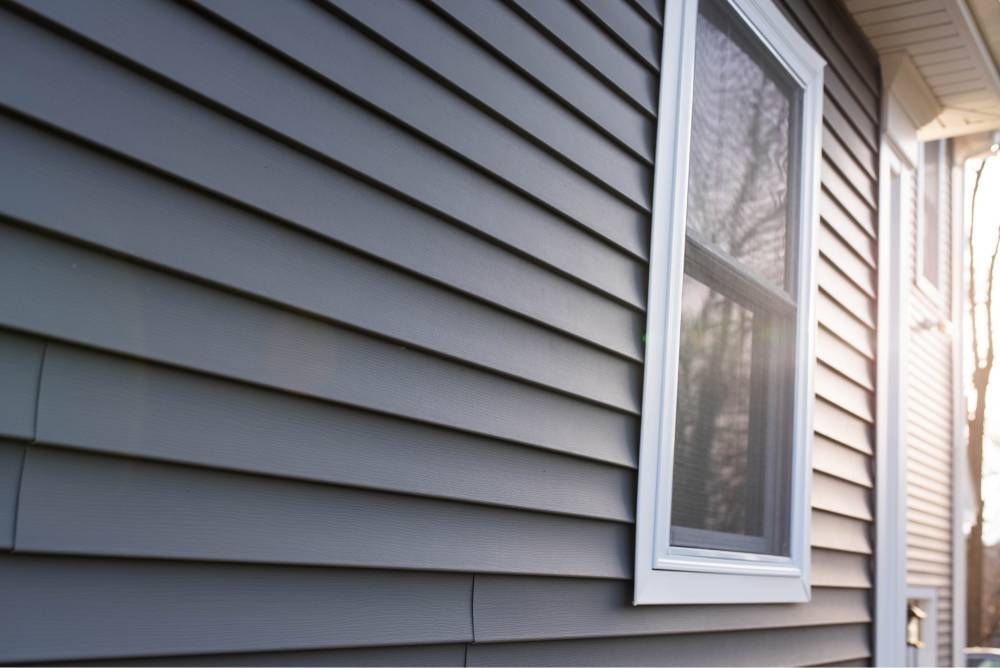
Vinyl siding expands and contracts with temperature changes, requiring proper fastening techniques that allow movement without buckling or pulling loose from the wall. Fiber cement remains dimensionally stable and resists moisture absorption, but it's heavier than vinyl and requires different installation methods to support the weight across wall studs. Cedar shingles and boards require periodic sealing or staining to prevent weathering and moisture penetration, though some homeowners prefer the natural silvered appearance that develops when wood is left untreated.
After installation, you'll notice uniform color coverage without the streaking or fading that occurs when older siding breaks down under UV exposure. Fiber cement siding maintains its profile and surface texture without warping, and vinyl panels remain secure without cracking in cold weather. Board and batten installations create distinct shadow lines that remain consistent as the material settles, and cedar shingles fit tightly without gaps that allow water or insects to penetrate.
Color availability varies by material type, with vinyl offering the widest range of factory-applied finishes and fiber cement available in primed or pre-finished options. Natural cedar is typically stained or sealed on-site after installation, allowing for custom color matching but requiring reapplication every few years depending on exposure..
Common Questions About Siding Materials
Choosing siding involves understanding how each material handles the combination of salt air, wind, and moisture common to New Bedford properties.
What is the advantage of fiber cement over vinyl?
Fiber cement resists impact damage, maintains its shape without warping, and offers better fire resistance, though it costs more upfront and requires professional installation due to its weight and cutting requirements.
How does Cedar Impressions differ from real cedar?
Cedar Impressions is a textured vinyl product designed to replicate the appearance of natural wood shingles without requiring the periodic staining, sealing, or rot prevention that real cedar demands.
Why would I choose board and batten siding?
Board and batten creates a vertical siding pattern with wide boards and narrow battens covering the seams, offering a distinctive look suited to modern or rustic architectural styles.
What maintenance does vinyl siding require?
Vinyl siding requires periodic washing to remove dirt, salt residue, and mildew, but it does not need painting, staining, or sealing over its lifespan.
How long do these siding materials last in coastal conditions?
Vinyl typically lasts 20 to 30 years, fiber cement can exceed 50 years with proper installation, and cedar requires ongoing maintenance but can last several decades if regularly treated and protected from moisture.
LivSavvy walks you through material options based on your home's architectural style, exposure to weather, and maintenance preferences. Arrange a site visit to evaluate which siding type fits your property's specific conditions and performance expectations.