Installations Built for Long-Term Weather Resistance
Window & Door Installation in New Bedford for new construction, additions, or openings that require proper flashing and coastal-grade sealing
Proper window and door installation in coastal environments depends on rough opening preparation, continuous flashing that directs water away from vulnerable areas, and sealants that remain flexible under salt exposure and temperature changes. LivSavvy handles professional installation in New Bedford by treating every opening as a potential entry point for wind-driven rain, which means overlapping flashing layers correctly, shimming the unit level and plumb without over-tightening fasteners that can distort the frame, and sealing every seam with products designed for marine conditions. Poor installation allows water to migrate behind the unit and rot the framing before the problem becomes visible inside the home.
Installation involves cutting or verifying the rough opening dimensions, wrapping the perimeter with self-adhering flashing membrane, setting the unit in place with continuous support along the sill, fastening through the frame at specified intervals, insulating the gaps with low-expansion foam, and applying exterior sealant that bonds to both the unit and the siding. Interior trim is installed after the unit is confirmed square and operational.
Schedule a consultation to review rough opening requirements and discuss installation methods that meet manufacturer specifications and local building codes..
What Correct Installation Prevents
Flashing installed in the wrong sequence allows water to run behind the window or door rather than over the surface and down to the exterior, which causes hidden damage that doesn't show up until rot spreads far enough to affect interior finishes. Coastal-grade sealants remain elastic as they age, preventing cracks that let wind and moisture through the joint between the frame and the rough opening.
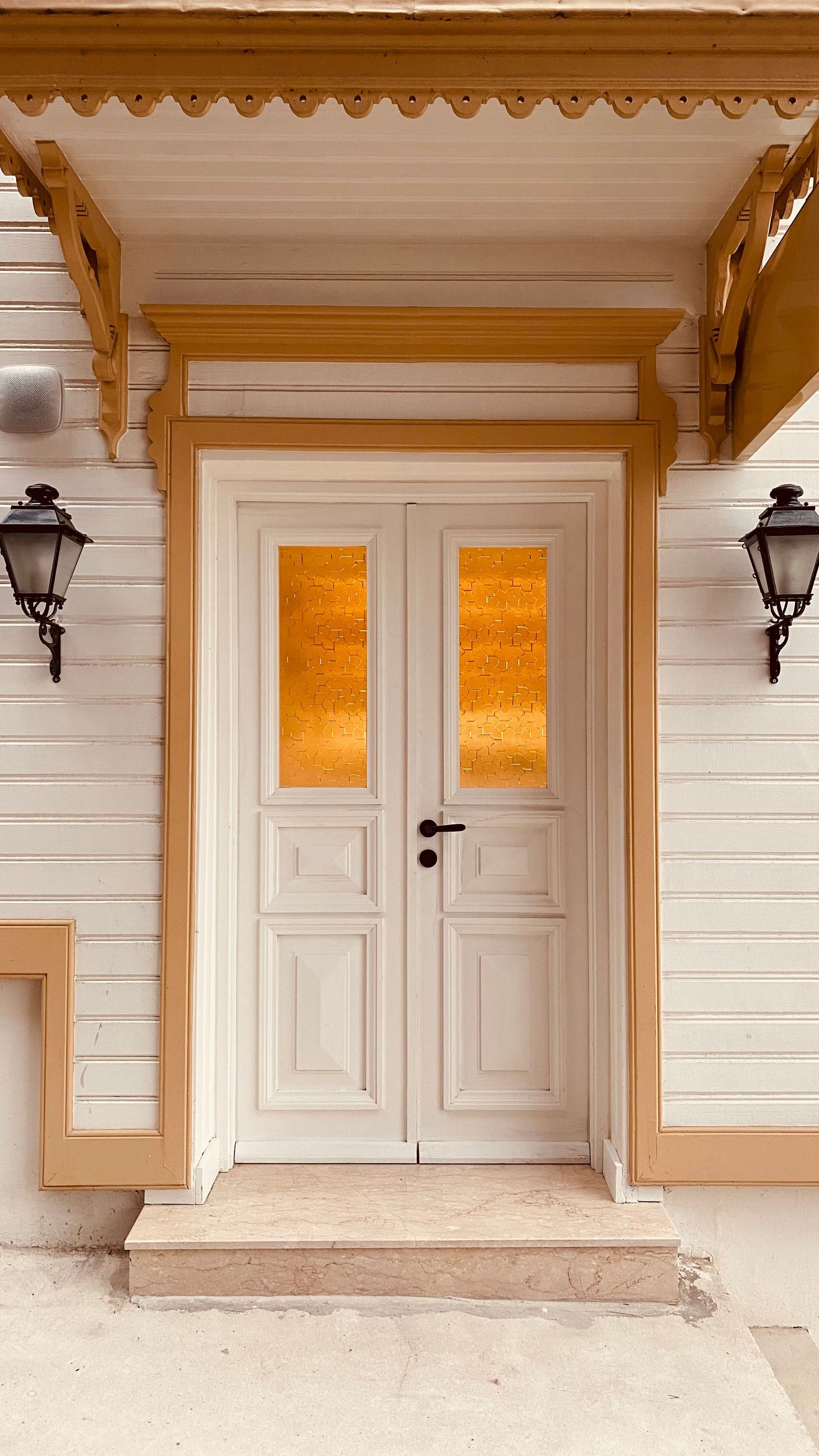
After installation, the unit operates smoothly without binding, locks engage fully without forcing, and there are no visible gaps between the frame and the surrounding trim. Water runs off the exterior without pooling or seeping into joints, and the interior shows no drafts or temperature differences around the perimeter even during high wind events.
Some installations require custom flashing details when the opening is located below an overhang, near an inside corner, or at a transition between different siding materials. Units installed in masonry or concrete openings need different fastening and sealing methods than wood-framed walls..
What Homeowners Ask About Installation
Installation questions in New Bedford often focus on weather protection, rough opening preparation, and long-term durability in the coastal environment.
What makes installation different in coastal areas?
Salt air corrodes standard fasteners and sealants, so installations require stainless steel or coated screws, marine-grade flashing tape, and sealants formulated to resist UV breakdown and maintain adhesion in high humidity.
How is the rough opening prepared before the unit goes in?
Installers verify the opening is square and the correct size, remove any damaged sheathing, install a continuous sill flashing that extends past the sides, and apply flashing membrane up the jambs with proper overlaps so water sheds outward at every layer.
When should I insulate around the window or door?
Insulation goes in after the unit is fastened and confirmed level, using low-expansion foam that fills gaps without distorting the frame or preventing the sashes and doors from operating smoothly.
What causes new windows to leak even after installation?
Leaks occur when flashing isn't lapped correctly, when sealant is applied over dirty or wet surfaces, or when the installer relies only on caulk without proper flashing behind it, allowing water to bypass the visible seal and enter the wall cavity.
How long does a properly installed window or door last in New Bedford?
With correct flashing, sealing, and periodic maintenance of exterior caulk joints, quality units typically last twenty-five to thirty years or more before the operating mechanisms or weatherstripping require replacement.
LivSavvy installs windows and doors using flashing methods and sealants proven to perform in New Bedford's coastal conditions. Arrange an installation review to discuss rough opening inspection, material specifications, and weatherproofing details for your project.