Trim That Seals Gaps and Stops Rot
Exterior & Interior Trim Replacement in New Bedford for wood that's split, rotted, or no longer sealing against moisture intrusion
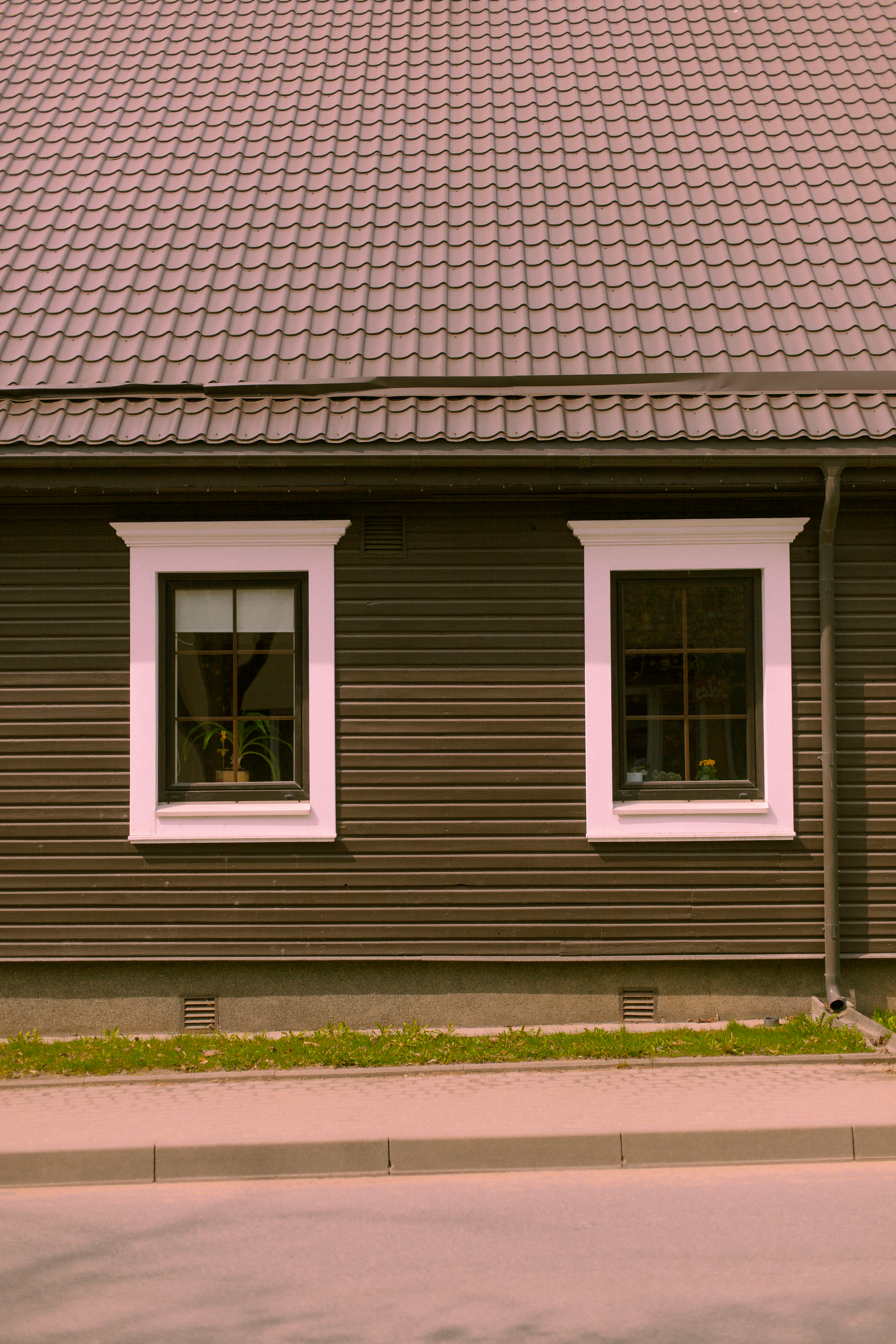
Trim around windows and doors deteriorates when moisture seeps behind the casing, the finish breaks down under UV exposure, or coastal humidity causes swelling and cracking. LivSavvy replaces damaged interior and exterior trim in New Bedford to restore the seal around openings, eliminate pathways for water and air infiltration, and correct visual damage that makes even well-maintained homes look neglected. Exterior trim rot is common where caulk lines have failed or flashing doesn't extend far enough behind the siding.
Trim replacement involves removing the deteriorated material, inspecting the substrate and framing for hidden water damage, installing new primed or pre-finished boards cut to exact dimensions, and sealing every joint with paintable caulk that flexes with seasonal movement. Interior trim replacement updates the look of your rooms while covering gaps that allow drafts and noise transmission.
Arrange an on-site assessment to identify all areas where trim has failed and determine whether substrate repairs are needed before new material goes in..
Why Trim Replacement Prevents Further Damage
Exterior trim acts as the final barrier between weather and your wall assembly, directing water away from vulnerable areas and covering the gap between the window or door frame and the rough opening. When that trim splits or the caulk fails, water runs behind the material and saturates the sheathing, which leads to rot that spreads into the framing and requires more invasive repairs if left unaddressed.
After replacement, you'll see clean, tight joints with no visible gaps, and the new trim will shed water instead of absorbing it. Interior trim eliminates drafts you could feel around the edges of your windows and doors, and fresh paint or stain gives the room a finished appearance that makes the entire space look intentional rather than worn.
Trim replacement may require matching profiles no longer available at standard suppliers, which means milling custom pieces or selecting a close alternative that maintains the home's architectural style. Some jobs uncover structural issues behind the trim that must be corrected before new material is installed..
Answers to Frequent Trim Replacement Questions
Homeowners in New Bedford often want to know what the replacement process involves and how to prevent the same damage from recurring.
What causes exterior trim to rot so quickly?
Moisture gets trapped behind the trim when caulk cracks or when there's no drip cap above the casing to divert water, and coastal humidity prevents the wood from drying out completely between rain events, which accelerates decay.
How do you match existing trim profiles?
Installers bring samples of the existing trim to a millwork shop for custom matching, or they select the closest available stock profile and use it consistently across all replaced sections to maintain visual continuity.
When should I replace interior trim around windows?
Replace it when you see water stains, the wood feels soft or spongy, paint is peeling due to moisture rather than age, or drafts are noticeable along the edges even when the window is closed and locked.
What material works best for coastal exterior trim?
Cellular PVC or primed finger-joint pine with a high-quality exterior paint system resists rot better than solid wood, though hardwoods like cedar hold up well if finished properly and maintained with regular sealing.
How long does replaced trim last?
Properly installed and sealed trim with a durable finish can last twenty to thirty years or more, depending on exposure, maintenance frequency, and whether flashing and caulk are inspected and renewed as needed.
LivSavvy handles trim replacement with attention to substrate condition and proper sealing to prevent recurrence. Contact us to review the scope of work needed and discuss material options that match your home's style and exposure level.