
Surfaces Designed for Decades of Living
Hardwood Flooring in New Bedford for homes prioritizing long-term refinishing potential
Floors that show wear from years of use can be sanded down to fresh wood and refinished multiple times over decades, which is why solid hardwood remains a standard choice for living rooms, bedrooms, and dining rooms. LivSavvy installs oak, maple, walnut, and cherry species across New Bedford properties, each bringing different grain patterns and color tones that age visibly as the wood oxidizes. The thickness of solid planks allows removal of surface scratches and dents through sanding, something engineered or vinyl products can't replicate.
The installation process involves acclimating wood planks to interior humidity levels before fastening them to the subfloor, since wood expands and contracts seasonally. Species selection affects both appearance and durability—oak resists denting better than softer woods like cherry, while walnut offers darker natural color without staining.
Arrange an on-site consultation to evaluate subfloor compatibility and review wood species against room lighting.
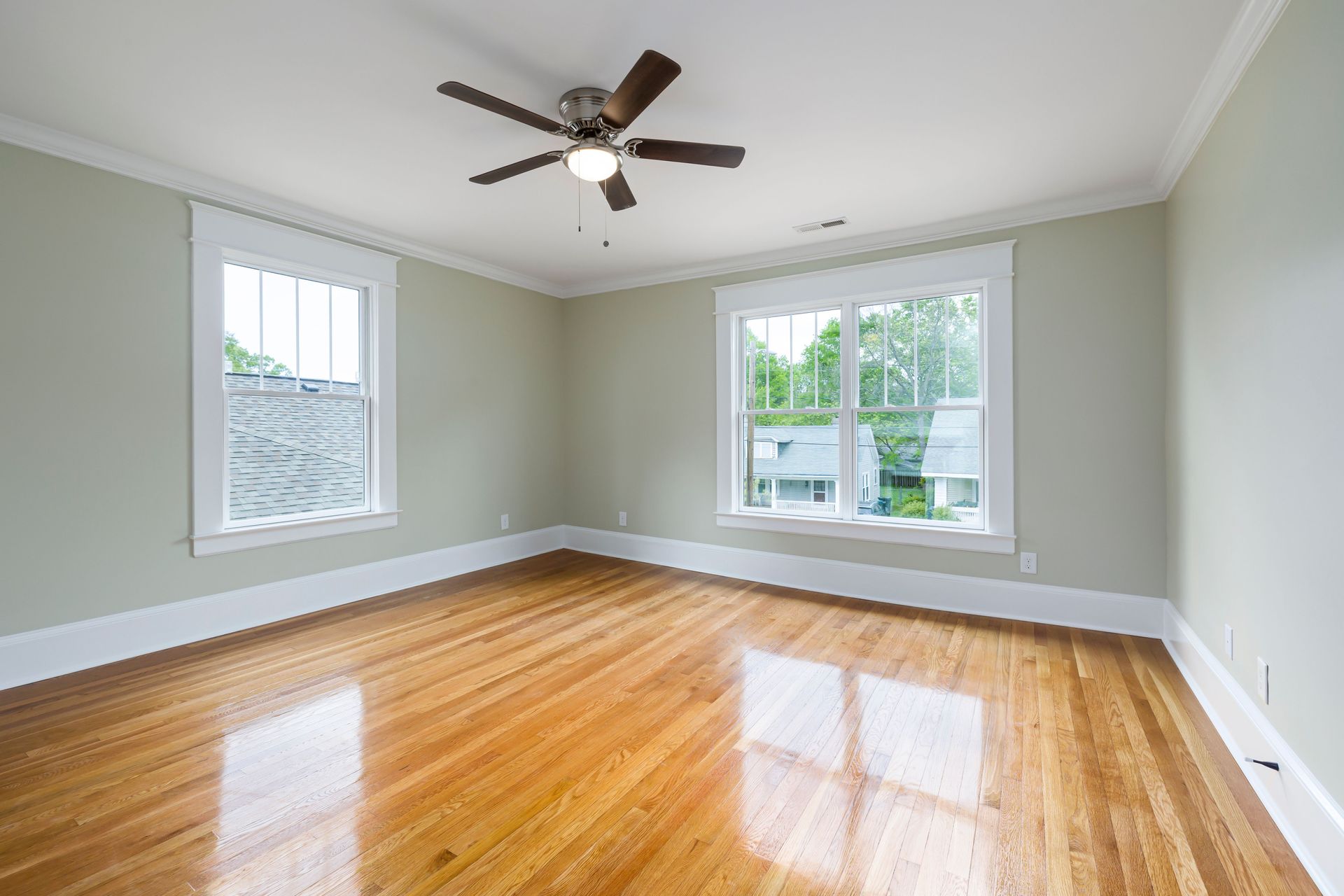
How Solid Wood Addresses Long-Term Wear
Hardwood installation requires fastening planks with cleats or staples driven through the tongue edge into plywood or dimensional lumber subfloors, creating a permanent attachment that prevents movement but also means removal damages both the flooring and the structure beneath. Finish coats of polyurethane seal the wood surface against moisture and staining, though the finish wears through in high-traffic paths before the wood itself degrades.
You'll notice floors that develop a patina over years as sunlight exposure darkens certain species and foot traffic polishes wear patterns into the finish. When surface scratches accumulate or finish dulls, sanding removes the top layer of wood and allows application of fresh stain and sealer, restoring the floor to near-original appearance without replacing materials.
Solid hardwood performs best in climate-controlled spaces where humidity stays relatively stable, since extreme seasonal swings cause gaps to open between planks in winter and crowning to occur in summer. Living rooms, bedrooms, and dining rooms typically maintain conditions that keep movement within acceptable ranges, while basements and bathrooms introduce moisture levels that warp solid wood over time.
Common Questions About This Service
Property owners in New Bedford often ask about species selection and maintenance before committing to hardwood installation.
What's the functional difference between oak and maple hardwood?
Oak features prominent grain lines and slightly softer density than maple, which has tighter grain and resists denting better in high-traffic areas, though both species sand and refinish equally well over their lifespan.
How many times can hardwood floors be refinished?
Solid three-quarter-inch hardwood typically allows four to six refinishing cycles before you sand through to the tongue-and-groove joint, with each refinishing removing about one-sixteenth of an inch of material.
Why do hardwood floors develop gaps between boards during winter?
Wood loses moisture content as indoor heating drops relative humidity, causing planks to shrink in width and reveal the subfloor beneath, with gaps closing again when spring humidity returns.
Can walnut or cherry hardwood be installed in rooms with direct sunlight exposure?
Both species darken significantly when exposed to UV light, which creates visible color differences between areas under rugs or furniture and exposed sections, though this is considered a natural aging characteristic rather than damage.
What subfloor conditions prevent hardwood installation in New Bedford homes?
Concrete slabs require moisture barrier systems and sleeper installations that add cost and height, while subfloors with deflection exceeding industry standards need structural reinforcement before hardwood goes down.
LivSavvy handles hardwood installations with species selection based on room use and client preference for grain visibility. Contact us to review wood samples and discuss floor preparation requirements specific to your property.