
Durability Without Natural Material Limitations
Laminate Flooring in New Bedford for spaces needing impact resistance and simplified maintenance
High-traffic areas where dropped objects, dragged furniture, and pet activity cause visible damage to wood or tile see better long-term performance from laminate's synthetic wear layer. LivSavvy installs laminate flooring across New Bedford properties where the priority is surface durability over the aging characteristics of natural materials. The multi-layer construction uses a photographic image of wood or stone bonded to high-density fiberboard, then topped with a clear melamine resin layer that resists scratching, staining, and moisture better than the materials it imitates.
The core fiberboard layer provides structural stability while the printed image layer allows virtually any appearance—wide plank oak, narrow strip maple, slate tile, marble—without the cost or maintenance requirements of authentic materials. The wear layer thickness determines how well the floor handles abrasion over years of use.
Schedule a property evaluation to identify rooms where impact resistance outweighs natural material preferences.
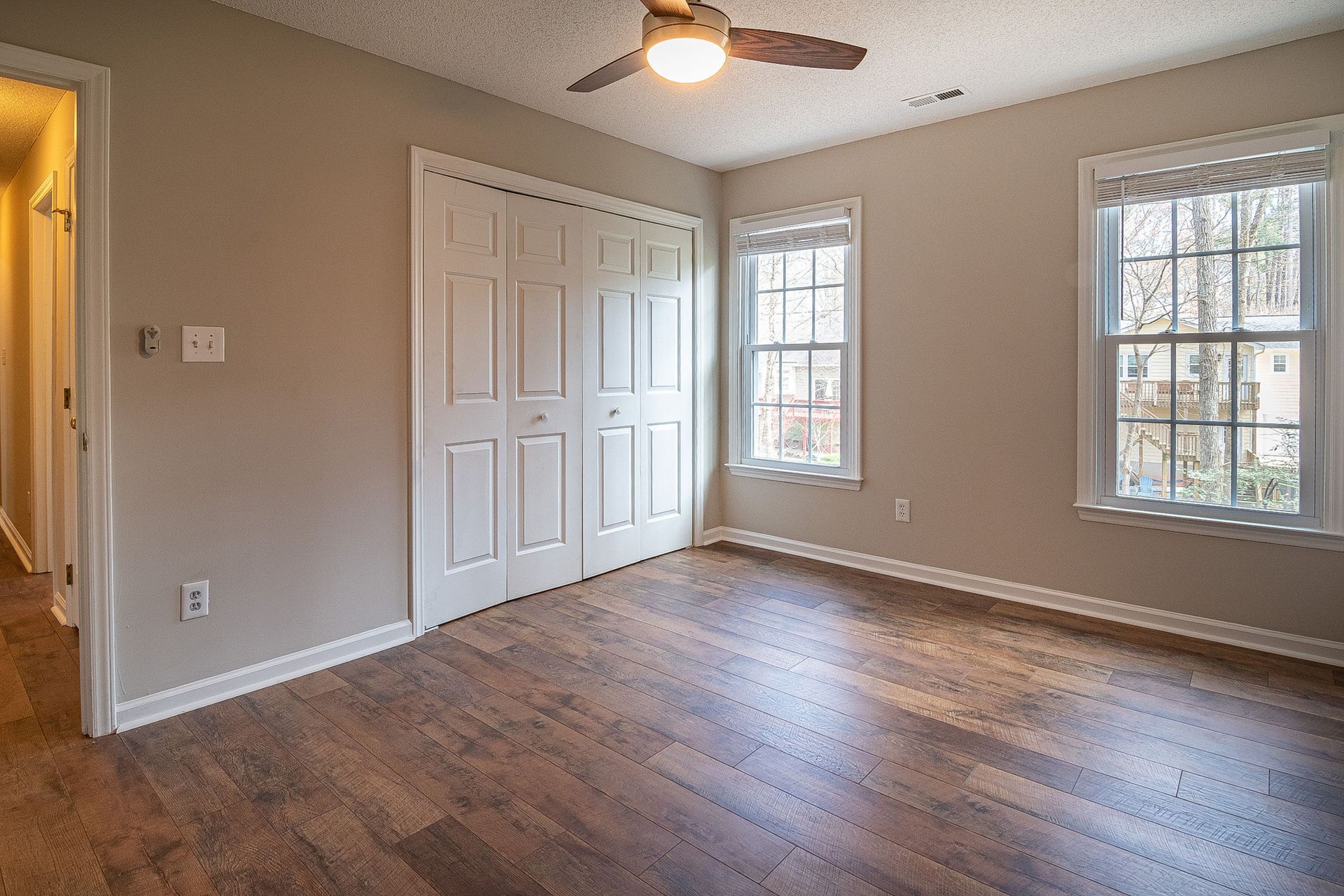
What Changes After Laminate Installation Completes
Installation uses a floating floor method where planks click together and rest on foam underlayment without attachment to the subfloor, allowing the entire floor to move as a single unit when temperature and humidity shift. This approach speeds installation compared to fastened wood floors and accommodates less-than-perfect subfloors, though transitions at doorways require careful height matching to avoid trip hazards.
You notice floors that feel hollow underfoot compared to solid wood because they're not mechanically attached to the structure below, though quality underlayment reduces the sound transmission that occurs when walking across floating floors. The surface resists water from spills that sit for several minutes without swelling, and dropped kitchenware rarely causes the denting that occurs with softer hardwood species. The printed pattern doesn't fade with sunlight exposure the way natural wood darkens over time.
Laminate can't be refinished when surface wear becomes visible because sanding through the wear layer exposes the printed image beneath, which means replacement is the only option once scratches accumulate beyond acceptable levels. The material also produces a distinctly synthetic appearance under close inspection despite photo-realistic printing, which matters more to some clients than others depending on expectations and budget.
Answers to Frequent Service Questions
Clients in New Bedford typically want specifics on how laminate compares functionally to wood and tile before deciding.
How does laminate flooring resist scratching better than hardwood?
The top melamine resin layer is harder than wood finish coatings, so impacts that would scratch polyurethane on hardwood often leave no mark on laminate, though extremely sharp or heavy objects can still break through the wear layer.
What happens if water sits on laminate flooring for extended periods?
The edges of planks swell when moisture penetrates the fiberboard core, causing raised seams that can't be sanded flat, though the surface itself resists staining and warping better than natural wood during the same exposure.
Can laminate be installed over existing tile or vinyl in New Bedford homes?
The floating installation method allows laminate to go over most existing hard surfaces as long as they're level and firmly attached, though total floor height increases by the thickness of underlayment and planks combined.
Why does laminate flooring sound hollow compared to glued or nailed floors?
The air gap between the floating floor and subfloor allows sound to resonate when you walk across it, which better underlayment materials dampen but don't eliminate entirely.
What AC rating should I look for in laminate products?
The Abrasion Criteria rating from AC1 to AC5 indicates wear layer durability, with AC3 being minimum for residential use and AC4 or AC5 handling commercial traffic levels that exceed typical home wear patterns.
LivSavvy installs laminate where clients prioritize durability and low maintenance over natural material characteristics. Arrange a consultation to review wear layer ratings and appearance options that match your performance requirements.