Floors Built to Withstand Coastal Conditions
Floor Installation in New Bedford for homes facing South Coast humidity and salt air exposure
South Coast New England homes face constant exposure to salt air and humidity that infiltrates living spaces year-round. LivSavvy Construction and Landscaping provides floor installation in New Bedford designed specifically for these coastal conditions, using moisture testing, vapor barriers, and subfloor preparation that prevents the buckling and warping common in standard installations. Coastal properties require installation methods that account for salt air penetration and seasonal moisture fluctuation, not just the flooring material itself.
The installation process begins with moisture testing the existing subfloor to identify vapor transmission rates that would compromise adhesion or cause dimensional changes in the flooring. Subfloor preparation includes leveling compound application where needed and vapor barrier installation tailored to the moisture readings, creating a stable foundation that compensates for the constant humidity coastal homes experience. This preparation prevents the gaps, cupping, and edge lifting that appear months after installation when moisture issues were not addressed before the flooring went down.
Schedule a property evaluation to assess subfloor moisture levels and determine the preparation your installation requires.
What Proper Coastal Floor Installation Requires
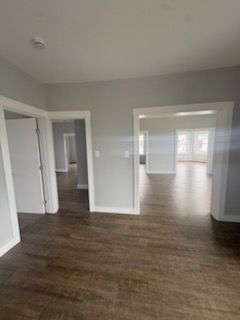
Moisture-resistant floor installation involves more than selecting waterproof materials. The subfloor must be tested for moisture content and vapor emission rates, then prepped with leveling compound to eliminate low spots where water can accumulate and vapor barriers rated for the specific transmission levels detected. Marine-grade adhesives and fasteners resist the corrosive effects of salt air that standard hardware cannot withstand over time.
After installation, you will notice floors that remain flat and stable through seasonal humidity changes, with no gaps opening along walls or between planks as moisture levels shift. LivSavvy Construction and Landscaping finishes trim pieces after the flooring is fully installed and acclimated, allowing exact measurement and fit rather than cutting trim before the floor settles. This approach produces seamless transitions at doorways and walls, eliminating the visible gaps that occur when trim is installed first and the flooring shifts during the acclimation period.
Coastal floor installations require ongoing attention to ventilation and climate control to maintain the stability the installation created. Proper HVAC operation and dehumidification during high-humidity months prevent the moisture accumulation that undermines even well-executed installations. The installation itself establishes the foundation, but maintaining consistent indoor conditions protects the investment long-term.
Questions Property Owners Ask About Coastal Flooring
Coastal homeowners in New Bedford often have specific concerns about floor installation given the environmental challenges their properties face.
What happens during the moisture testing process?
Moisture meters measure the subfloor's current moisture content, while calcium chloride tests measure vapor emission rates over 24 to 72 hours to determine how much moisture is actively moving through the concrete or wood subfloor.
How does salt air affect floor installations differently than inland humidity?
Salt air carries corrosive particles that degrade standard fasteners, adhesives, and vapor barriers, requiring marine-grade materials that resist chemical breakdown and maintain their bond strength despite constant salt exposure.
When should leveling compound be used before installation?
Any subfloor variation greater than 3/16 inch over a ten-foot span requires leveling compound to prevent hollow spots where flooring can flex and break adhesive bonds or create noise when walked on.
Why are trim pieces installed after the flooring rather than before?
Flooring materials expand and contract as they acclimate to your home's specific moisture levels, so trimming after installation allows measurement of the actual gap needed rather than estimating before the floor settles into its final position.
How long does installed flooring take to fully acclimate in coastal conditions?
Most flooring materials reach equilibrium moisture content within two to four weeks after installation, though acclimation continues at a slower rate as seasonal conditions change throughout the year.
LivSavvy Construction and Landscaping brings over 25 years of experience with coastal floor installations to every project, applying moisture control methods proven to withstand New Bedford's environmental conditions. Request a detailed estimate that includes moisture testing results and the specific preparation your subfloor requires.