
Trim That Matches Period Details Precisely
Interior Trim Work in New Bedford for historic homes requiring custom millwork and seasonal movement accommodation
Historic homes throughout the New Bedford area feature architectural details that standard stock trim cannot replicate. Custom millwork addresses the need for trim profiles that match existing period details while accommodating the seasonal wood movement common in New England's temperature and humidity swings. LivSavvy Construction and Landscaping provides interior trim work that includes custom milling capabilities, allowing exact reproduction of crown molding, baseboards, and casing profiles found in 19th and early 20th century construction. Modern homes benefit from the same custom approach when standard dimensions do not fit or when design calls for unique profiles.
The trim installation process involves templating existing profiles where matching is required, then milling custom pieces or modifying stock trim to achieve the exact dimensions and details needed. Wood selection accounts for grain pattern, stability, and how the species will accept stain or paint, matching not just the shape but the finish characteristics of surrounding trim.
Arrange an on-site consultation to review existing trim profiles and discuss custom milling options for your project.
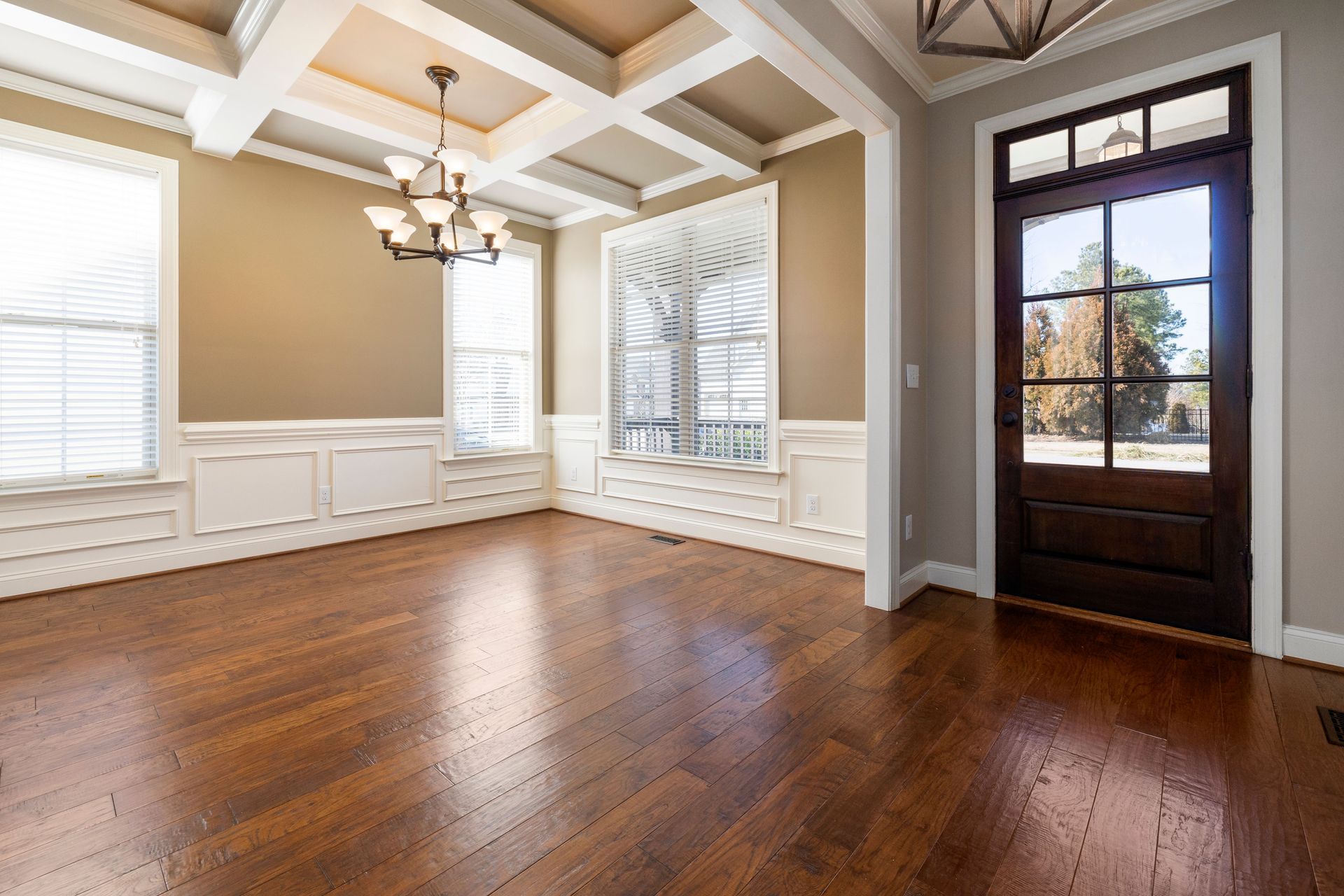
How Custom Millwork Addresses Period Matching
Custom trim installation begins with precise measurement of existing profiles using profile gauges and templates that capture every detail of the original millwork. These templates guide the milling process, whether creating new pieces from scratch or modifying stock trim to add the beads, coves, and edge details that define period-specific profiles. Licensed craftsmanship means understanding how different wood species behave and selecting materials that match the stability and workability of the original trim.
Once installed and finished, you will notice seamless transitions between old and new trim, with joints that remain tight through seasonal changes and profiles that align perfectly at inside and outside corners. The finish-after-installation approach allows trim pieces to acclimate in place before final sanding and finishing, reducing the gaps that appear when pre-finished trim shrinks after installation. This method produces a cohesive appearance where additions and repairs blend with original work rather than standing out as obvious replacements.
Custom trim work includes coping inside corners rather than mitering them, creating joints that remain tight even as wood expands and contracts with humidity changes. Coped joints follow the profile of one piece with a matching cut on the adjoining piece, allowing movement without opening visible gaps. This traditional joinery method proves especially important in coastal New England homes where humidity fluctuation is constant.
Common Questions About Custom Trim Installation
Homeowners considering trim work often want to understand how custom capabilities differ from standard installation approaches.
What does custom milling capability actually mean for my project?
Custom milling allows creation of trim profiles that match your existing historic details exactly, or fabrication of unique profiles for modern designs, rather than limiting choices to whatever stock profiles are available at lumber suppliers.
How do you match wood grain and color to existing trim?
Wood selection considers species, grain pattern, and color variation, then stain samples are tested on the actual wood being installed to match the tone and finish of surrounding trim before final finishing begins.
Why finish trim after installation instead of using pre-finished materials?
Finishing in place allows proper surface preparation after all cuts and installations are complete, fills nail holes with matching putty, and ensures uniform finish across all surfaces including cut ends and coped joints.
When does seasonal wood movement affect trim the most in New Bedford?
Winter heating dries indoor air and causes wood to shrink, while summer humidity causes expansion, with the greatest movement occurring during transitions between heating and cooling seasons in spring and fall.
How do coped joints differ from mitered corners in trim work?
Coped joints cut one trim piece to follow the profile of the adjoining piece rather than cutting both at 45-degree angles, creating a mechanical joint that stays tight when wood shrinks instead of opening a visible gap like miters do.
LivSavvy Construction and Landscaping provides licensed and insured craftsmanship for interior trim installations throughout New Bedford. Schedule an evaluation to assess your trim matching needs and review custom profile options.