Protection Engineered for Constant Salt Exposure
Siding in New Bedford for homes requiring marine-grade coastal finishes
Buzzards Bay's marine environment creates relentless salt exposure that degrades standard siding installations within years rather than decades. When every cut end and nail hole becomes an entry point for moisture in coastal air, preparation determines whether siding lasts or fails prematurely. LivSavvy Construction and Landscaping installs siding across New Bedford using multi-coat primer systems that seal all cut ends and nail holes before boards go on the wall, preventing the moisture infiltration that causes paint failure and substrate decay in coastal locations. After installation, you'll notice finishes remain intact through nor'easters and salt spray events that strip paint from improperly prepared surfaces.
The installation process involves priming every cut end immediately after cutting, applying primer to nail holes before fastening, and using stainless or coated fasteners that won't corrode and stain the siding surface. Proper flashing around windows and penetrations directs water away from the wall assembly, and we install building wrap with careful attention to lapping sequence so water drains down and out rather than behind the siding.
Request a property evaluation to assess your current siding condition and coastal protection requirements.
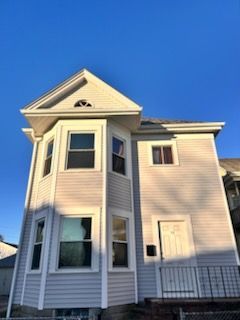
Why Coastal Prep Prevents Early Failure
Siding in coastal areas faces moisture from multiple directions—driven rain from nor'easters, salt spray that holds moisture against surfaces, and high humidity that slows drying between weather events. We address this by creating continuous drainage planes behind siding, sealing all penetrations with marine-grade caulking, and applying multiple primer coats to cut ends where exposed wood grain absorbs moisture fastest.
After completion, your siding will shed water consistently without staining or paint bubbling, resist fastener corrosion even in direct salt exposure, and maintain a weather-tight envelope that prevents moisture intrusion into wall cavities. Corners and trim joints remain sealed because proper caulking and flashing prevent the gaps that develop when installations skip these coastal-specific steps.
Licensed installers understand that coastal siding requires more labor in preparation than installation, since every board receives individual attention to sealing and priming rather than relying on factory finishes alone. This preparation separates installations that last from those that require repainting or replacement within a few years.
Siding Installation Details Homeowners Ask About
Properties near Buzzards Bay face specific challenges that affect material selection and installation methods.
What happens if cut ends aren't primed before installation?
Exposed wood grain at cut ends absorbs moisture through capillary action, causing swelling and paint failure that starts at board ends and spreads across the surface as the substrate deteriorates.
How does salt air affect different siding materials?
Wood siding requires extensive priming and marine-grade finishes, fiber cement resists salt well but needs stainless fasteners, and vinyl remains stable but requires proper expansion gaps since coastal temperature swings cause more movement than inland installations.
What flashing details matter most in coastal installations?
Window head flashing must extend behind building wrap and direct water outward, corner boards need caulked joints at the top to prevent water entry, and all penetrations require marine-grade sealant rather than standard caulk that degrades in salt exposure.
Why do some coastal homes need repainting every few years?
Inadequate surface prep, skipped priming steps, or use of standard exterior paint instead of marine-grade finishes allows moisture infiltration that lifts paint and causes substrate damage requiring full refinishing.
How do you prevent moisture behind the siding?
We install building wrap with proper lapping so each course sheds water onto the course below, flash all penetrations before siding installation, and maintain a ventilated drainage gap between wrap and siding that allows drying between weather events.
As a licensed installer with coastal expertise throughout New Bedford and surrounding areas, LivSavvy Construction and Landscaping applies marine-grade prep and finishing systems to every siding project. Schedule a consultation to review material options and preparation requirements for your property's exposure level.