New Surface Over Solid Structure
Deck Resurfacing in New Bedford for decks where the frame remains sound but floor boards show wear, weathering, or surface damage
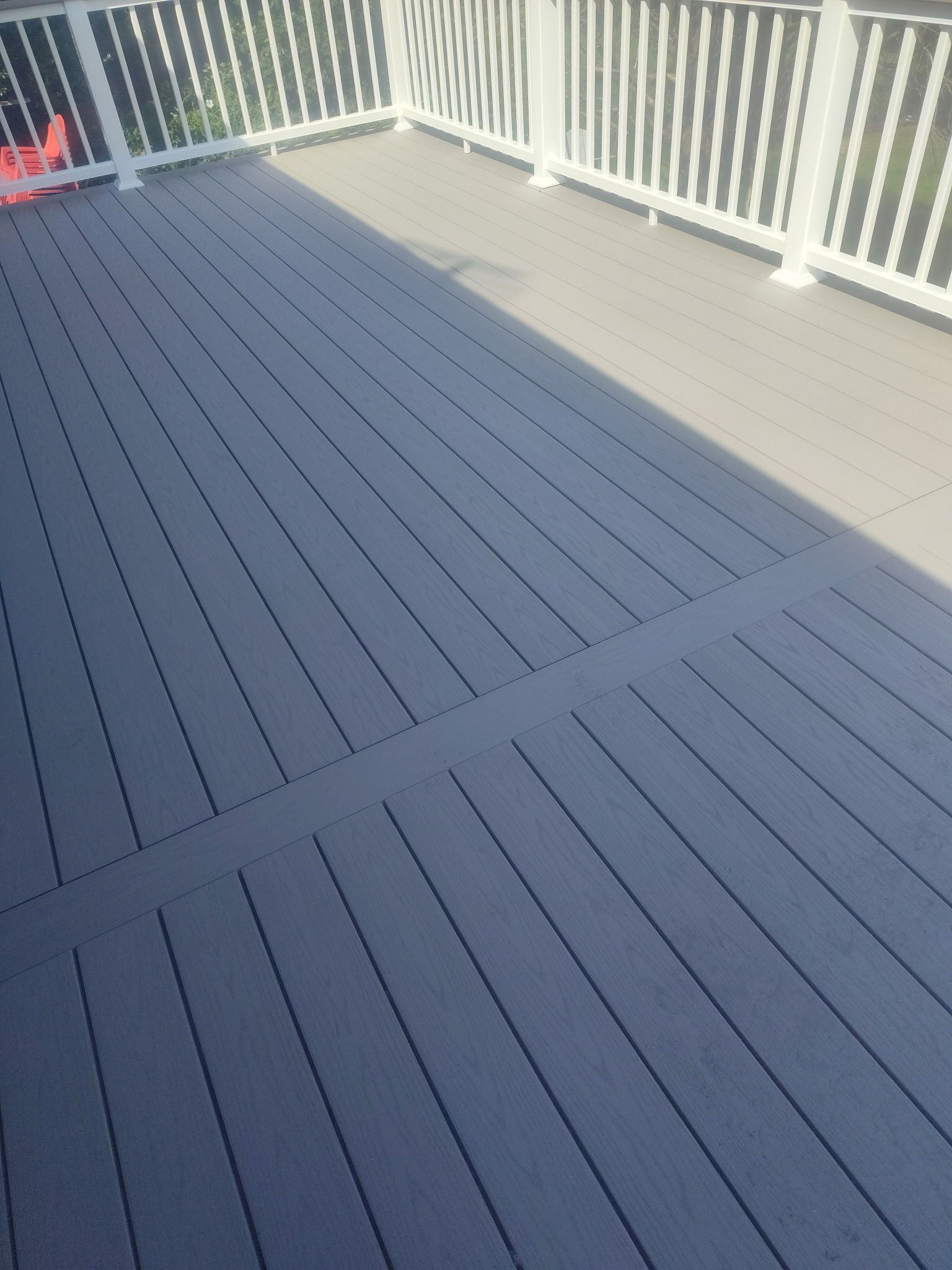
When a deck's underlying joists and frame are still structurally intact but the walking surface has deteriorated to the point of splintering, cupping, or severe discoloration, replacing just the floor boards saves the cost of rebuilding the entire structure. LivSavvy removes worn decking down to the frame, inspects the joists for any hidden damage, and installs new boards—often upgrading from wood to composite materials that won't require the same replacement cycle in another decade. The deck looks and feels new without the expense and disruption of tearing out framing that still has years of service life remaining.
Resurfacing begins with pulling up all existing deck boards and checking joist condition, then proceeds with installation of new decking using hidden fasteners or face screws depending on material choice and budget. Composite and PVC options provide the opportunity to eliminate future staining and sealing while wood resurfacing restores appearance at lower material cost.
Request a detailed estimate based on your current deck size and the resurfacing material that fits your maintenance preferences..
Why Replacing Only the Surface Makes Sense
Deck resurfacing requires verifying that the joist spacing matches the new decking material's span requirements, since composites often need joists sixteen inches on center while older wood decks were sometimes framed at twenty-four-inch spacing. If the existing frame is adequate, new boards get installed using the fastening system appropriate for that material, with hidden clips for grooved composite boards or stainless screws for solid boards that require face fastening.
After resurfacing, you'll notice that the deck no longer has splintered areas that snag bare feet, the surface color is uniform instead of patchy and gray, and boards sit flat rather than cupping or warping at the ends. Composite resurfacing eliminates the annual cycle of cleaning and staining, while wood resurfacing provides a clean surface that can be finished immediately or allowed to weather naturally depending on your preference.
Resurfacing doesn't address railing condition or structural issues below the joists, so any loose posts or damaged framing members need separate repair. The project focuses specifically on replacing the wear surface while leaving the support structure in place, which makes sense when the frame is sound but the boards have reached the end of their functional life..
Questions Before Starting Your Project
Homeowners planning deck resurfacing want to understand material options and whether their existing structure supports the upgrade they're considering.
What determines whether a deck can be resurfaced instead of replaced?
The joists, beams, and posts need to be structurally sound with no significant rot, sagging, or movement, and the frame spacing must be appropriate for the new decking material's requirements or be modified to accommodate it.
How does composite resurfacing compare to wood in cost and performance?
Composite materials cost roughly twice as much as pressure-treated wood but eliminate ongoing maintenance and last significantly longer, so the total cost over fifteen years often favors composite even with the higher initial expense.
What happens if joists show damage when the old boards come off?
Any compromised joists get repaired or replaced before new decking goes down, which adds to the project scope but prevents installing a new surface over framing that will fail within a few seasons.
Can you change the decking pattern during resurfacing?
New boards can run perpendicular to the original layout, be installed diagonally, or incorporate borders and inlays as long as the framing supports the new pattern, though diagonal installations require additional blocking between joists and use more material due to cutting waste.
Why do some resurfacing projects include new railings?
If the deck surface is being upgraded to low-maintenance composite, many homeowners choose to replace wood railings at the same time to avoid the visual and functional mismatch of new decking with weathered, high-maintenance railings, creating a fully updated deck in one project.
LivSavvy handles deck resurfacing projects in New Bedford using materials that match your maintenance preferences and budget while ensuring the existing frame can support the new surface for years of reliable use. Schedule a property evaluation to determine whether your deck's structure is suitable for resurfacing and discuss material options that fit your outdoor living needs.