Drainage Systems That Stop Foundation Problems
Gutter Installation, Repair & Replacement in New Bedford for properties where water pools near foundations, damages landscaping, or overflows during storms
When gutters sag, pull away from fascia boards, or develop leaks at seams and corners, rainwater spills over the edges instead of moving through downspouts to discharge points away from the house. LivSavvy provides gutter installation, repair, and replacement in New Bedford to address failing drainage systems that no longer protect roofs, siding, foundations, and landscaping from concentrated water flow. Properly functioning gutters collect runoff from the entire roof surface and direct it through downspouts to areas where it won't undermine footings or saturate soil against basement walls.
Installation involves mounting gutter sections to fascia boards at a consistent slope that moves water toward downspout outlets without creating low spots where debris accumulates. Downspouts are positioned to discharge away from the foundation, often extended with underground drains or splash blocks that prevent erosion and water infiltration near the building perimeter. Damaged sections are replaced when rust, cracks, or separated joints compromise the system's ability to contain and redirect water during heavy rainfall.
Schedule an evaluation to identify drainage issues and determine whether repair or full replacement is required for effective water management..
What Changes After Gutter Replacement
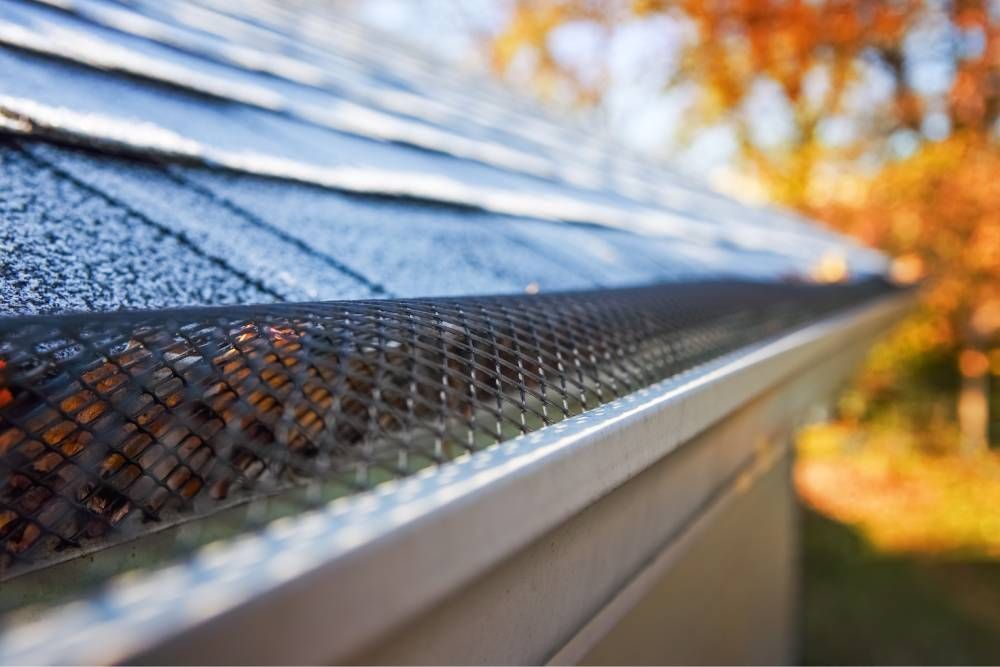
New gutter systems are sized to handle the roof's square footage and rainfall intensity, with downspouts spaced to prevent overflow even during storm events. Each section is pitched to eliminate standing water, and corners are sealed to prevent leaks where horizontal runs change direction. Hangers are installed at intervals that support the weight of water-filled gutters without sagging, and end caps are secured to prevent water from escaping at termination points.
Once the system is complete, water flows smoothly from the roof edge through the gutters and exits through downspouts without spilling over or backing up behind the gutter lip. Soil near the foundation remains dry after rainstorms, and landscaping no longer shows erosion channels or standing water caused by concentrated runoff. Fascia boards stay dry, preventing the rot and paint failure that occurs when water repeatedly overflows and saturates wood trim.
Gutter installation includes attaching sections to the fascia with brackets or spikes, while repair work may involve resealing joints, replacing short sections, or adjusting slope to correct drainage problems. The decision between repair and replacement depends on the age of the existing system, the extent of damage, and whether the current gutter size is adequate for the roof area it serves..
Answers to Frequent Gutter Questions
Homeowners typically ask about gutter capacity, proper positioning, and how to prevent the recurring problems that led to the original failure.
What causes gutters to pull away from the house?
Gutters detach when hangers fail under the weight of water and debris, when fascia boards rot and no longer hold fasteners securely, or when ice dams force gutters outward during freeze-thaw cycles.
How do I know if my gutters are large enough?
Standard residential gutters are five or six inches wide; undersized gutters overflow during heavy rain, indicating the need for larger sections or additional downspouts to handle the roof's drainage volume.
Why do gutters leak at the corners?
Corner leaks develop when sealant deteriorates, when sections shift due to thermal expansion, or when joints weren't properly assembled during the original installation.
How far should downspouts discharge from the foundation?
Downspouts should extend at least four to six feet from the foundation to prevent water from saturating soil near basement walls or undermining footings.
What happens if gutters aren't sloped correctly?
Improperly sloped gutters allow water to pool in low spots, where debris accumulates and mosquitoes breed, and water may overflow rather than reaching the downspout during storms.
LivSavvy assesses roof drainage requirements and installs gutter systems designed to handle New Bedford's rainfall patterns without overflowing or causing water damage to your home's exterior and foundation. Request an inspection to review your current drainage performance and identify necessary improvements.